


Endometriosis Surgery: The Crucial Excision Path to Definitive Relief
Endometriosis is a chronic, painful condition affecting millions of women worldwide, causing suffering that ranges from debilitating menstrual cramps to infertility and chronic pelvic pain. For many, management involves hormones or painkillers, but for definitive, long-term relief, surgical intervention often becomes the necessary, pivotal step.
Understanding the complexity of Endometriosis Surgery what it entails, why it is performed, and which method is superior is the first crucial step toward regaining a healthy, pain-free life. When this decision is made, the choice of physician becomes critical. Dr Alain Daher is a recognized specialist in minimally invasive gynecologic surgery, bringing specialized expertise in treating complex cases of endometriosis. His commitment is to guide patients through the entire process, ensuring they receive the most advanced and effective form of Surgery available.
This comprehensive guide delves into everything you need to know about surgical options, focusing on the specialized technique that offers the best hope for lasting Endometriosis Pelvic Pain Relief: Excision.
Defining the Need: What is Endometriosis Surgery?
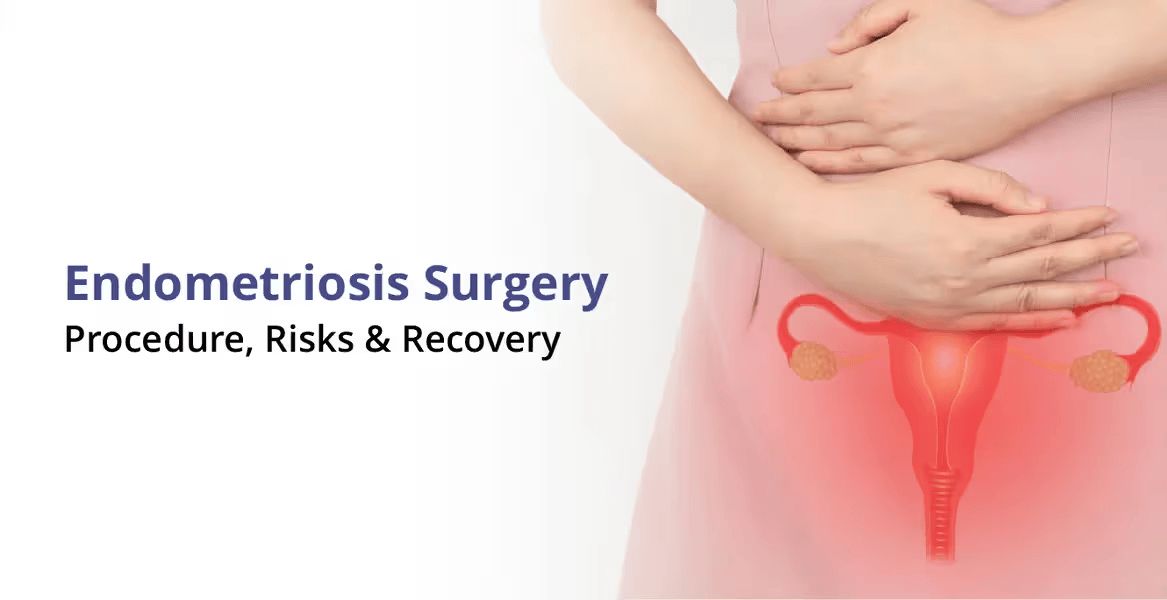
This Surgery is performed to remove endometrial-like tissue implants that have grown outside the uterus, causing inflammation, pain, and scar tissue (adhesions). This tissue, which behaves like the lining of the uterus by bleeding monthly, has no way to exit the body, leading to the formation of cysts and painful internal scarring.
Why Is Surgery Necessary?
The decision to proceed with Endometriosis Surgery is based on several key factors:
- Diagnosis and Staging: Often, Endometriosis Surgery (specifically laparoscopy) is the definitive way to diagnose the disease, as imaging techniques can miss subtle implants. It allows the surgeon to visualize, biopsy, and determine the extent (stage) of the disease.
- Intractable Pain: When medical treatments (like hormonal therapy) fail to control severe, chronic, or debilitating pain, surgery offers the most reliable pathway to Endometriosis Pelvic Pain Relief.
- Fertility Improvement: For women struggling with conception, Endometriosis and Infertility Treatment are frequently linked. Removing the implants and associated scar tissue can improve natural conception rates or optimize the success of assisted reproductive technologies like IVF.
- Organ Function Restoration: In severe cases, the disease, known as Deep Infiltrating Endometriosis Specialist, can affect organs like the bowel, bladder, or ureters, potentially obstructing their function. Endometriosis Surgery is essential to restore proper organ mechanics.
The Gold Standard: Endometriosis Excision Surgery Lebanon
The quality of Endometriosis Surgery is entirely dependent on the surgical technique used. Dr Alain Daher and leading international experts advocate for Endometriosis Excision Surgery Lebanon as the gold standard of care. This technique involves meticulously cutting out and removing the entire endometriotic lesion, including the roots of the disease, rather than simply burning the surface.
Endometriosis Excision Surgery Lebanon requires specialized training, extensive experience, and often advanced techniques, distinguishing it from general gynecological procedures. Patients seeking comprehensive care in the region prioritize finding a center that consistently delivers this high standard of definitive removal.
Excision vs. Ablation: The Crucial Difference
The most important distinction any patient must understand when considering Endometriosis Surgery is the fundamental difference between excision and ablation. This choice dictates the likelihood of achieving long-term Endometriosis Pelvic Pain Relief and reducing the risk of recurrence.
Endometriosis Excision vs Ablation: Why Excision Wins
- Excision (Cutting Out): This technique involves carefully dissecting the endometriotic lesion from the underlying healthy tissue (peritoneum, bowel, bladder) using sharp dissection. The entire lesion is removed, ensuring the disease’s “root” is taken out. This is the definitive treatment method for Endometriosis Surgery.
- Ablation (Burning/Coagulation): This technique uses heat (laser, electrocautery) to destroy or burn the surface of the lesions. Crucially, ablation often fails to reach the full depth of the disease, leaving residual tissue beneath the surface. This residual tissue can continue to cause pain and lead to earlier recurrence.
The comparison of Endometriosis Excision vs Ablation overwhelmingly favors excision because endometriosis is an infiltrating disease. Ablation provides temporary relief but carries a higher risk of recurrent pain, which is why experts like Dr Alain Daher specialize in the more complex Endometriosis Excision Surgery Lebanon. When seeking definitive treatment, understanding the choice between Endometriosis Excision vs Ablation is paramount.
Managing Endometrioma Cysts
A specific type of lesion addressed in Endometriosis Surgery is the endometrioma, or “chocolate cyst,” found on the ovary. The method used to remove these cysts is also crucial.
Endometrioma Cyst Excision is the recommended approach. This involves carefully peeling the cyst wall away from the healthy ovarian tissue. While challenging, Endometrioma Cyst Excision maximizes the removal of the disease while preserving the patient’s ovarian reserve (the number of healthy eggs). Conversely, simple drainage or burning the cyst wall (ablation) is associated with high recurrence rates and potential damage to healthy ovarian tissue. When performed correctly, Endometrioma Cyst Excision significantly improves the long-term prognosis for both pain and Endometriosis and Infertility Treatment.
Advanced Techniques: Laparoscopic and Robotic Excellence
Modern Endometriosis Surgery demands minimally invasive techniques, which offer patients faster recovery and less post-operative scarring. The choice between traditional open surgery and these advanced methods is simple: minimally invasive procedures are safer and yield better results.
Laparoscopic Endometriosis Surgery Beirut: The Standard of Care
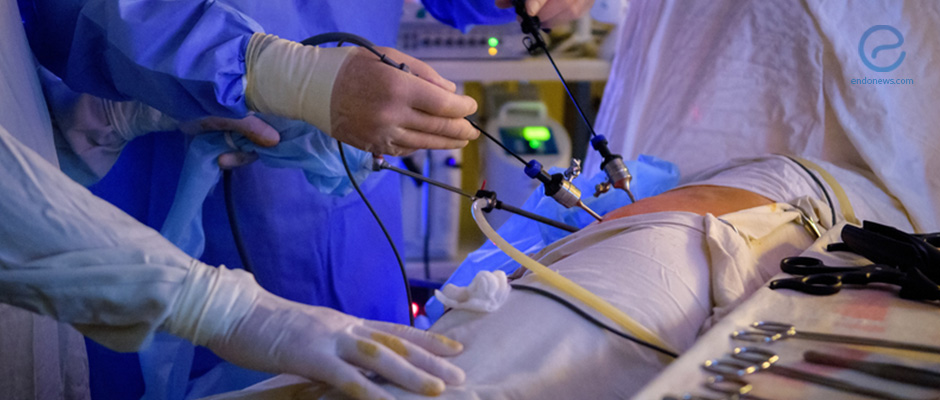
This Surgery uses small incisions (typically 5 to 10 millimeters), a high-definition camera, and specialized long instruments to perform complex excision inside the abdomen. This approach offers significant advantages:
- Magnified Visualization: The camera provides a highly magnified view of the pelvic organs, allowing the surgeon to precisely identify and excise even tiny implants.
- Minimized Trauma: Smaller incisions lead to less blood loss, less post-operative pain, and a significantly faster Endometriosis Surgery Recovery Timeline.
- Local Expertise: Laparoscopic Endometriosis Surgery Beirut is a specialized procedure, and finding an expert proficient in this technique is vital for success. Dr Alain Daher is committed to utilizing this advanced, minimally invasive approach for the benefit of his patients, establishing the highest standard for Endometriosis Surgery.
The Precision of Robotic Endometriosis Excision
For the most complex cases, such as deep disease infiltration or recurrence, Robotic Endometriosis Excision offers an additional layer of precision.
Robotic Endometriosis Excision utilizes the da Vinci surgical system, which translates the surgeon’s hand movements into precise, micro-movements of robotic instruments. This technology provides the surgeon with:
- Enhanced Dexterity: The robotic arms have a wider range of motion and tremor filtration.
- 3D High-Definition View: The surgeon operates from a console with a 3D, high-definition view, improving depth perception, which is essential when dissecting Deep Infiltrating Endometriosis Specialist lesions from critical structures.
Robotic Endometriosis Excision is particularly valuable for complex and severe cases, where the disease adheres to the bowel, bladder, or ureters. Dr Alain Daher utilizes both the conventional laparoscopic approach and Robotic Endometriosis Excision to ensure the most appropriate and precise technique is chosen for each patient, maximizing the Benefits of Endometriosis Surgery.
Addressing Complex Disease: The Deep Infiltrating Endometriosis Specialist
Endometriosis is classified into stages (I-IV), but the disease’s complexity is often defined by its depth of penetration. Deep Infiltrating Endometriosis Specialist refers to disease that penetrates more than 5 millimeters beneath the surface of the pelvic lining and frequently involves vital organs.
The Need for a Deep Infiltrating Endometriosis Specialist
Treating deep infiltrating endometriosis is extremely difficult and should only be handled by a specialized surgeon. A Deep Infiltrating Endometriosis Specialist requires skills in:
- Ureterolysis: Freeing the ureters (tubes connecting the kidneys to the bladder) from surrounding scar tissue.
- Bowel Resection: In cases where the disease has severely infiltrated the bowel wall, segments of the bowel may need to be removed and reconnected.
- Bladder Surgery: Dissecting and repairing the bladder wall when it is infiltrated by endometriosis.
The high-risk nature of operating near these organs means that the choice of physician determines both the Benefits of Endometriosis Surgery and the severity of potential complications. Dr Alain Daher has the surgical credentials and experience required to manage patients with Deep Infiltrating Endometriosis Specialist lesions, providing the expertise required in Laparoscopic Endometriosis Surgery Beirut or Robotic Endometriosis Excision to achieve radical excision while protecting organ function.
The Role of Laparoscopic Hysterectomy for Endometriosis
For patients who have completed their family, or whose disease is so widespread or recurrent that conservation is no longer viable, a Laparoscopic Hysterectomy for Endometriosis may be the final, most definitive cure.
A Laparoscopic Hysterectomy for Endometriosis involves the minimally invasive removal of the uterus and, often, the ovaries and fallopian tubes. This approach removes the source of the hormonal cycling that drives the disease. Even when a hysterectomy is performed, the surgeon must still perform meticulous Endometriosis Excision Surgery Lebanon to remove all non-uterine disease. The combined approach of a Laparoscopic Hysterectomy for Endometriosis plus complete excision provides the highest likelihood of definitive Endometriosis Pelvic Pain Relief. This is an advanced procedure, and choosing an expert ensures a favorable Endometriosis Surgery Recovery Timeline.
Weighing Outcomes: Benefits, Risks, and Recovery
Every surgical procedure carries potential drawbacks. A responsible surgeon must clearly communicate the potential Benefits of Endometriosis Surgery against the possible Risks of Endometriosis Surgery.
The primary Benefits of Endometriosis Surgery when performed correctly through excision include:
- Significant Pain Reduction: The complete removal of deeply buried disease provides the longest duration of Endometriosis Pelvic Pain Relief.
- Improved Fertility: Removing implants and adhesions dramatically improves the chances of natural conception and the success rate of subsequent fertility treatments (Endometriosis and Infertility Treatment).
- Elimination of Cysts and Adhesions: Endometrioma Cyst Excision removes the localized disease burden, while adhesion removal restores the mobility of pelvic organs.
- Definitive Diagnosis: Provides histological confirmation, which is essential for guiding future non-surgical treatments.
Risks of Endometriosis Surgery
The Risks of Endometriosis Surgery are generally low but increase significantly with the complexity of the disease, especially in cases of deep infiltration. Potential Risks of Endometriosis Surgery include:
- Injury to adjacent organs (bowel, bladder, ureter), particularly if the surgeon is not a Deep Infiltrating Endometriosis Specialist.
- Bleeding or infection.
- The rare risk of disease recurrence, which is much lower after excision than after ablation.
The key to mitigating the Risks lies in how to choose endometriosis surgeon. A specialist who routinely performs Robotic Endometriosis Excision and Laparoscopic Endometriosis Surgery is far more equipped to manage complications and minimize surgical trauma.
The Surgery’s Recovery Timeline
One of the greatest Benefits of Endometriosis Surgery using minimally invasive techniques is the dramatically accelerated recovery.
The typical Recovery Timeline for the surgery or Robotic Endometriosis Excision is as follows:
- Hospital Stay: Usually one night, occasionally two for complex deep disease.
- Light Activity: Patients can typically resume light household activities within 3 to 5 days.
- Return to Work: Most patients are back to office-based work within 1 to 2 weeks.
- Full Recovery: Full physical recovery and resumption of strenuous exercise usually occur around 4 to 6 weeks.
If the procedure involves a Laparoscopic Hysterectomy for Endometriosis or extensive bowel work by a Deep Infiltrating Endometriosis Specialist, the Endometriosis Surgery Recovery Timeline may be closer to 6 weeks. Clear communication regarding the Endometriosis Surgery Recovery Timeline is a hallmark of good surgical practice.
How to Choose Endometriosis Surgeon: The Expert Difference
The most important takeaway for any patient considering Endometriosis Surgery is that the specialization of the surgeon matters more than the type of hospital.
The Checklist: How to Choose Endometriosis Surgeon
When asking How to Choose Endometriosis Surgeon, patients should look for:
- Excision Focus: They must perform Endometriosis Excision vs Ablation as their standard procedure.
- Minimally Invasive Expertise: Proficiency in Laparoscopic Endometriosis Surgery Beirut or Robotic Endometriosis Excision.
- Complex Disease Management: Experience handling Deep Infiltrating Endometriosis Specialist cases and managing multi-organ disease.
- Fertility Integration: Understanding of Endometriosis and Infertility Treatment, ensuring surgery preserves reproductive potential.
Dr Alain Daher is a specialist dedicated to this advanced, multi-disciplinary approach. His international training ensures that he meets these exacting criteria, offering patients the most effective Endometriosis Excision Surgery Lebanon and the highest chance for definitive Endometriosis Pelvic Pain Relief.
The Lasting Impact on Endometriosis and Infertility Treatment
For couples pursuing family planning, Endometriosis and Infertility Treatment are inherently linked. The presence of endometriosis, even mild disease, can reduce IVF success rates. Endometriosis Surgery removes inflammation and scar tissue, restoring the pelvic environment.
The decision to undergo this Surgery for fertility purposes is strategic, and it’s Benefits include improving the accessibility of the ovaries for egg retrieval and enhancing uterine receptivity for embryo implantation. The expertise of Dr Alain Daher ensures that the surgery is performed delicately, maximizing reproductive potential while minimizing the Risks of Endometriosis Surgery.
In conclusion, Endometriosis Surgery is a vital procedure that requires precision, specialization, and compassion. By understanding the distinction of Endometriosis Excision vs Ablation and prioritizing expertise in techniques like Robotic Endometriosis Excision and Laparoscopic Endometriosis Surgery Beirut, patients can confidently take the path to lasting relief and restored health. Contact us here to book your consultation.
