 Skip to main content



Endometriosis Surgery: Advanced Excision & Robotic Solutions
For women living with the chronic burden of endometriosis, life is often defined by cycles of debilitating pain, heavy periods, and the emotional weight of infertility. When conservative treatments like hormonal therapy or painkillers are no longer sufficient to provide a high quality of life, the decision to undergo endometriosis surgery becomes a pivotal turning point. However, not all surgical interventions are equal. The success of the treatment depends heavily on the technique used and, most importantly, the expertise of the endometriosis surgeon performing the procedure.
In Lebanon, Dr. Alain Daher stands as a premier endometriosis specialist, offering world-class surgical care rooted in his advanced international training and French fellowships. By specializing in the “Gold Standard” of treatment laparoscopic and robotic excision—Dr. Daher ensures that his patients receive a definitive solution designed to minimize recurrence and maximize long-term health. This page explores why specialized endometriosis surgery is necessary, the different methods available, and how the right endometriosis specialist can help you reclaim your life from this complex disease.
The Necessity of Specialized Endometriosis Surgery
Endometriosis occurs when tissue similar to the lining of the uterus grows outside the pelvic cavity, causing inflammation, scar tissue (adhesions), and deep-seated pain. Because this tissue responds to hormonal cycles, it bleeds internally, but since it has no way to exit the body, it leads to the formation of cysts (endometriomas) and the “gluing” together of pelvic organs.
While medical management can suppress symptoms, endometriosis surgery is the only way to physically remove the disease from the body. For many patients, endometriosis surgery is required for:
- Definitive Diagnosis: Laparoscopy is the only way to definitively confirm the presence of the disease and its stage.
- Pain Management: When pelvic pain interferes with daily activities, work, or intimacy.
- Fertility Restoration: Removing implants and adhesions to optimize the environment for natural conception or IVF.
- Organ Protection: Preventing the disease from damaging the bowel, bladder, or ureters.
Seeking an experienced endometriosis surgeon is vital because a general gynecologist may not have the specialized training required to identify and safely remove deep-infiltrating lesions without damaging surrounding healthy tissue.
Excision vs. Ablation: The Specialist's Choice
The most critical factor in the outcome of endometriosis surgery is the method used to eliminate the lesions. As a dedicated endometriosis specialist, Dr. Alain Daher prioritizes excision over ablation.
Endometriosis Ablation (Burning)
Ablation involves using a laser or electrocautery to burn the surface of the endometriosis implants. While this is often faster and technically easier for a non-specialized surgeon, it frequently fails to reach the “root” of the disease. Much like a weed in a garden, if only the top is burned, the root remains, leading to high recurrence rates. Patients who undergo ablation often find themselves needing another endometriosis surgery within a year or two.
Endometriosis Excision (Cutting Out)
Excision is the surgical removal of the entire lesion, including its depth and margins. This is the most effective form of endometriosis surgery because it ensures the disease is completely eradicated from the area. Because endometriosis is an “infiltrating” disease, only an endometriosis surgeon with a high degree of skill can perform the radical dissection required to peel the disease away from delicate organs like the bowel or bladder.
When you choose an endometriosis specialist who focuses on excision, you are investing in a long-term solution rather than a temporary fix. Dr. Daher’s mastery of excision during endometriosis surgery is a primary reason for his high patient success rates and lower-than-average recurrence statistics.
Advanced Techniques in Endometriosis Surgery
Modern medicine has moved away from large, “open” incisions (laparotomy) in favor of minimally invasive techniques. These methods offer superior visualization and a much faster recovery for the patient.
Laparoscopic Endometriosis Surgery
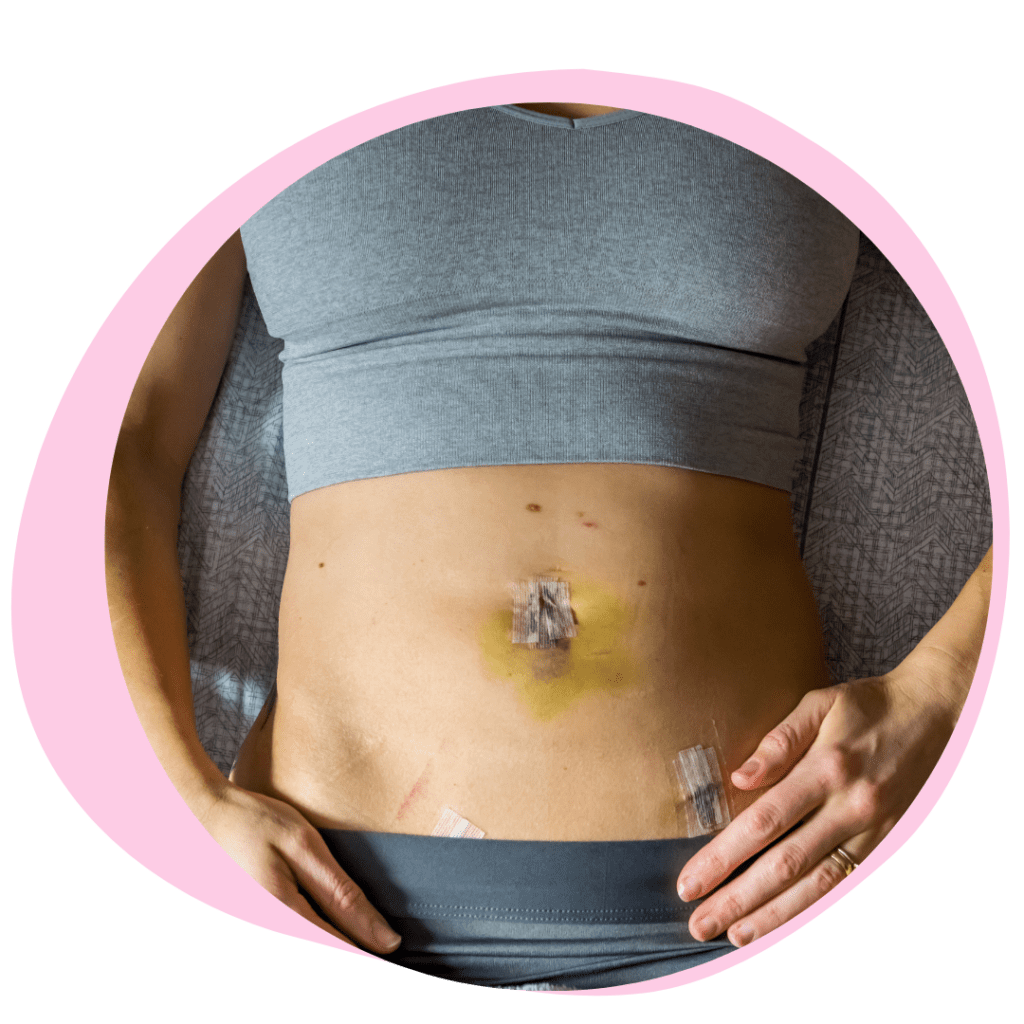
This is the standard approach for minimally invasive endometriosis surgery. Through small, 5mm to 10mm incisions, a high-definition camera and specialized tools are used to navigate the pelvis. The magnification provided by the laparoscope allows the endometriosis surgeon to see tiny, subtle implants that would be invisible to the naked eye. This precision is essential for effective endometriosis surgery, ensuring that every speck of the disease is identified.
For complex cases, especially Stage IV or deep infiltrating disease, Dr. Alain Daher utilizes robotic-assisted technology. Robotic endometriosis surgery provides the surgeon with a 3D, high-definition view and instruments that have a greater range of motion than the human hand. This allows the endometriosis specialist to perform incredibly delicate work around the ureters and major blood vessels with microscopic precision.
The use of robotic tools in endometriosis surgery represents the pinnacle of gynecological care, offering a level of finesse that traditional laparoscopy cannot always match in extremely crowded or scarred pelvic environments.
Treating Deep Infiltrating Endometriosis (DIE)
When endometriosis penetrates more than 5mm into the pelvic lining or organs, it is classified as Deep Infiltrating Endometriosis (DIE). This is the most severe form of the condition and requires a highly specialized endometriosis surgeon.
A general surgeon may be hesitant to address disease on the bowel or bladder due to the risk of injury. However, an endometriosis specialist like Dr. Daher has the expertise to perform:
- Ureterolysis: Freeing the ureters from endometriosis to prevent kidney damage.
- Bowel Shaving or Resection: Removing disease from the intestinal wall.
- Bladder Nodule Excision: Carefully removing implants that interfere with urinary function.
Because DIE is so complex, your endometriosis surgery must be performed by someone who understands the multi-disciplinary nature of the disease. Dr. Daher’s extensive training in France has prepared him to handle these high-risk cases of endometriosis surgery, providing patients with safety and thoroughness that other practitioners may not offer.
The Intersection of Fertility and Endometriosis Surgery
Many women seek out an endometriosis specialist specifically because they are struggling to conceive. Endometriosis affects fertility through inflammation, scarring, and the formation of endometriomas (chocolate cysts) on the ovaries.
A common concern is whether endometriosis surgery will damage the ovaries. This is why the technique of “Endometrioma Cyst Excision” is so important. Rather than burning the cyst, an endometriosis surgeon carefully peels the cyst wall away, preserving as much healthy ovarian tissue as possible. This approach during endometriosis surgery is vital for maintaining the “ovarian reserve” (egg count).
Furthermore, by clearing out the “toxic” inflammatory environment through endometriosis surgery, Dr. Daher improves the chances of natural conception and significantly boosts the success rates of subsequent IVF cycles. For fertility patients, the endometriosis specialist plays a dual role: both as a surgeon and as a guardian of their reproductive future.
Why Choose Dr. Alain Daher as Your Endometriosis Surgeon?
Choosing the right endometriosis surgeon is arguably the most important health decision a woman with this disease will ever make. The difference between a general gynecologist and a true endometriosis specialist is measured in years of pain-free living.
Dr. Alain Daher is uniquely qualified due to:
- Specialized Fellowships: His advanced surgical training in France provided him with the skills to handle the most complex endometriosis surgery
- Excision-First Philosophy: He is one of the few specialists in Lebanon dedicated to radical excision rather than simple ablation.
- Holistic Care: As a specialist in both surgery and infertility, he understands how your endometriosis surgery today will affect your fertility tomorrow.
- Technological Leadership: He is a pioneer in robotic-assisted endometriosis surgery, bringing the latest global innovations to his patients in Beirut.
When you sit down with an endometriosis specialist, you should feel heard and validated. Dr. Daher is known for his compassionate approach, taking the time to explain the steps of the endometriosis surgery and what the expected outcomes will be for your specific stage of disease.
What to Expect: The Endometriosis Surgery Journey
The path to relief through endometriosis surgery involves several stages, all of which are managed with the highest level of care by Dr. Daher’s team.
- The Consultation and Mapping
Your journey begins with an in-depth consultation with the endometriosis specialist. Dr. Daher will review your symptoms, history, and any previous imaging. In some cases, specialized “mapping” ultrasounds or MRIs are ordered to help the endometriosis surgeon plan the procedure with precision.
- The Procedure
On the day of your endometriosis surgery, you will be under general anesthesia. Whether the approach is laparoscopic or robotic, the goal remains the same: the thorough excision of all visible and palpable disease. The endometriosis surgery can take anywhere from 1 to 4 hours depending on the complexity and location of the implants.
- Recovery and Aftercare
One of the primary benefits of minimally invasive endometriosis surgery is the rapid recovery. Most patients return home within 24 to 48 hours. During the first week following your endometriosis surgery, you will experience some bloating and mild soreness, but most women find they can return to light activity within 7 to 10 days. Dr. Daher provides a detailed follow-up plan to ensure your endometriosis surgery results are maintained through appropriate long-term management.
Managing Recurrence: The Role of the Specialist
One of the greatest fears patients have is that the disease will return after endometriosis surgery. While no surgeon can guarantee a 100% cure rate for a chronic disease, an endometriosis specialist can significantly lower the risk.
Recurrence is often actually “persistence” meaning the disease was not fully removed during the first endometriosis surgery. By utilizing excision and high-definition visualization, an endometriosis surgeon ensures that even microscopic lesions are addressed. When recurrence does happen, it is usually managed more effectively when a patient has an established relationship with an endometriosis specialist who understands their surgical history.
Risks of Endometriosis Surgery
Every surgical intervention carries some level of risk, and transparency is a hallmark of an ethical endometriosis surgeon. Potential risks of endometriosis surgery include:
- Minor bleeding or infection at incision sites.
- Injury to adjacent organs (bowel, bladder, or ureters), though this is minimized by choosing an endometriosis specialist.
- Temporary urinary or bowel changes.
Dr. Daher discusses these endometriosis surgery risks in detail during the pre-operative consultation, ensuring that the patient can make a fully informed decision about their health.
Frequently Asked Questions About Endometriosis Surgery
Is endometriosis surgery considered a “major” operation?
While performed through small incisions, endometriosis surgery is a complex procedure that requires high-level technical skill. However, because it is minimally invasive, the recovery is much easier than traditional abdominal surgery.
How soon after endometriosis surgery can I try to conceive?
Most patients can begin trying to conceive within 2 to 3 months after their endometriosis surgery, once the internal inflammation has subsided. Your endometriosis specialist will provide a specific timeline based on your healing.
Can an endometriosis specialist diagnose me without surgery?
While imaging can suggest the presence of deep disease or cysts, the “gold standard” for diagnosis remains endometriosis surgery with histological confirmation (biopsy).
Is robotic-assisted surgery better than standard laparoscopy for endometriosis surgery?
For severe cases involving deep organs, the robotic approach often provides the endometriosis surgeon with better dexterity and visualization, which can lead to a more thorough excision.
Conclusion: Reclaiming Your Life
Endometriosis is a complex, multi-system disease that demands a specialized response. You do not have to live in a state of constant pain or uncertainty. By choosing the path of specialized endometriosis surgery, you are choosing to prioritize your health and your future.
Dr. Alain Daher is here to be your partner in this journey. As a leading endometriosis specialist and a world-class endometriosis surgeon, he provides the technical excellence and compassionate care required to navigate the challenges of this condition. Whether you are seeking a first diagnosis or a second opinion after a previous failed endometriosis surgery, our clinic is dedicated to providing the definitive excision solutions you deserve.
The road to relief starts with an expert consultation. Discover the benefits of advanced endometriosis surgery and start your journey toward a pain-free life today. Trust your care to the endometriosis specialist who brings international standards of excellence to every procedure. Your recovery, your fertility, and your quality of life are worth the expertise of a dedicated endometriosis surgeon.
