


Endometriosis Surgery and Fertility: Proven Success

Endometriosis Surgery and Fertility: 5 Keys to Success For many women, the diagnosis of endometriosis is not just a source of chronic pain, but a significant psychological burden regarding their future as mothers. It is estimated that up to 50% of women with infertility also suffer from this condition. Therefore, understanding the delicate link between Endometriosis Surgery and Fertility is the most important step for any patient hoping to conceive. In Lebanon, patients are increasingly seeking advanced solutions that do not force them to choose between pain relief and reproductive health. Dr. Alain Daher, a specialist with international credentials in both fertility and minimally invasive surgery, has pioneered a “fertility-first” surgical philosophy. By focusing on Fertility Sparing Endometriosis Surgery Lebanon, Dr. Daher ensures that the goal of every procedure is not just the removal of disease, but the restoration of the body’s natural potential to create life. This comprehensive guide explores the 5 keys to achieving your dream of motherhood while managing a complex diagnosis through the lens of modern science and surgical excellence. Key 1: Unmasking the Silent Barrier One of the most frustrating aspects of reproductive health is the “unexplained” diagnosis. Many couples spend years undergoing basic fertility treatments without success, unaware that a hidden condition is sabotaging their efforts. This is the realm of Silent Endometriosis and Unexplained Infertility. The Hidden Impact on Conception Endometriosis doesn’t always cause debilitating pain. For some women, the only symptom is the inability to get pregnant. In cases of Silent Endometriosis and Unexplained Infertility, the disease creates a “toxic” inflammatory environment in the pelvis that can damage egg quality, interfere with the movement of the fallopian tubes, and prevent an embryo from implanting in the uterus. When you work with an Infertility Specialist Beirut Endometriosis Care professional like Dr. Alain Daher, the diagnostic process is thorough. If a patient presents with Silent Endometriosis and Unexplained Infertility, a diagnostic laparoscopy may be the key to unlocking the mystery. Identifying and removing these silent lesions is often the catalyst that turns years of failure into a positive pregnancy test. Key 2: The Gold Standard of Surgical Technique The success of your reproductive journey depends entirely on how the surgery is performed. When discussing Endometriosis Surgery and Fertility, the technique used to remove the disease is the primary predictor of future pregnancy success. Natural Conception After Laparoscopic Excision There are two main ways to handle endometriosis: ablation (burning the surface) or excision (cutting it out from the root). For patients hoping for Natural Conception After Laparoscopic Excision, the choice must be excision. Burning the surface often leaves active disease underneath, which continues to produce inflammatory chemicals that prevent pregnancy. By choosing Fertility Sparing Endometriosis Surgery Lebanon, you are ensuring that the surgeon uses high-definition cameras to identify and excise every speck of the disease. Natural Conception After Laparoscopic Excision is significantly more likely when the pelvic environment is fully cleared of inflammatory tissue. This restorative approach is a cornerstone of the care provided by Dr. Alain Daher, who utilizes his French surgical training to ensure the highest degree of precision. Furthermore, for women who have suffered from tubal factors, Laparoscopic Surgery for Blocked Fallopian Tubes can often be performed in the same session. By clearing adhesions and performing Laparoscopic Surgery for Blocked Fallopian Tubes, the surgeon restores the mechanical pathway necessary for the egg and sperm to meet. Key 3: Protecting the Ovarian Reserve Perhaps the most sensitive area of Endometriosis Surgery and Fertility involves the ovaries. When endometriosis forms a cyst on the ovary (an endometrioma), the surgical approach must be extremely delicate. Endometrioma Removal and Ovarian Reserve The “ovarian reserve” refers to the quantity and quality of a woman’s eggs. A poorly performed surgery can accidentally remove healthy ovarian tissue, leading to a permanent drop in fertility. This is why the conversation regarding Endometrioma Removal and Ovarian Reserve must be a priority during your pre-operative consultation. Instead of simply draining the cyst or burning the cyst wall, an Infertility Specialist Beirut Endometriosis Care expert will use a technique called “stripping” to carefully peel the cyst wall away. This Ovarian Cystectomy and Fertility Protection method ensures that the disease is removed while the precious eggs are left unharmed. The goal of Ovarian Cystectomy and Fertility Protection is to stop the cyst from recurring while maintaining the highest possible egg count. Dr. Alain Daher emphasizes that Endometrioma Removal and Ovarian Reserve are not mutually exclusive; with the right surgical finesse, you can achieve both disease clearance and fertility preservation. Protecting the ovaries through meticulous Ovarian Cystectomy and Fertility Protection is what separates a generalist from a true sub-specialist. Key 4: Preparing for Advanced Reproduction (IVF) In many cases, surgery is not the “end” of the fertility journey, but a necessary preparation for assisted reproductive technologies. Understanding the Surgical Management of Endometriosis for IVF is vital for patients with Stage III or IV disease. Optimizing IVF Success Rates After Endometriosis Surgery Research has shown that the presence of active endometriosis, especially large endometriomas, can negatively impact the success of an IVF cycle. This is where the Surgical Management of Endometriosis for IVF comes into play. By removing large cysts and cleaning the pelvic cavity, the surgeon makes it easier for the fertility specialist to retrieve eggs and improves the uterine environment for embryo transfer. The IVF Success Rates After Endometriosis Surgery are notably higher than in patients who attempt IVF with untreated disease. For patients with complex, deep-seated lesions, Pregnancy Outcomes After Deep Infiltrating Endometriosis Surgery are also greatly improved when the disease is excised before starting an IVF protocol. Dr. Alain Daher provides an integrated approach to Surgical Management of Endometriosis for IVF, ensuring that the timing of the surgery and the subsequent stimulation cycle are perfectly synchronized. This synergy is the reason why IVF Success Rates After Endometriosis Surgery at leading clinics in Lebanon are among the best in the region. Whether you are dealing with superficial implants or looking for improved
Endometriosis Surgery Recovery: Powerful Fast-Healing Tips

Endometriosis Surgery Recovery: 6 Secrets to Fast Healing The moment you wake up from surgery, a new chapter begins. For many women in Lebanon and across the Middle East, the decision to undergo excision for endometriosis is the culmination of years of searching for answers. However, the successful removal of the disease is only half of the equation; the other half is a well-managed Endometriosis Surgery Recovery. How you treat your body in the weeks following your procedure will dictate the quality of your results and how quickly you can return to the life you love. In the specialized practice of Dr. Alain Daher, the surgical procedure is viewed as a partnership. While the surgeon provides the technical expertise to excise the disease, the patient provides the environment for healing. As a leading specialist in minimally invasive and robotic gynecological surgery, Dr. Alain Daher emphasizes that the “secrets” to a fast recovery aren’t found in a pill bottle, but in a comprehensive, multidisciplinary approach to aftercare. This guide provides an exhaustive look at the Laparoscopy Recovery Timeline for Endometriosis, offering 6 essential secrets to optimize your healing and ensure you achieve the Long-term Pain Relief After Excision Surgery you deserve. Secret 1: Understanding the Laparoscopy Recovery Timeline for Endometriosis Knowledge is the best antidote to anxiety. One of the most common reasons patients feel overwhelmed during their Endometriosis Surgery Recovery is a lack of clear expectations. By understanding the Laparoscopy Recovery Timeline for Endometriosis, you can set realistic goals for your body. The First 48 Hours The immediate post-operative phase is dedicated to waking the body up from anesthesia. Because Dr. Daher utilizes minimally invasive techniques, most patients are encouraged to walk within hours of their procedure. During this time, the focus of Post-Operative Care After Endometriosis Excision is on pain control and monitoring for any immediate reactions. Days 3 to 7: The Inflammatory Peak Many patients expect to feel better every single day. However, it is common to experience a slight “dip” in energy and an increase in soreness around day three or four as the hospital medications fully leave the system. This is a normal part of the Laparoscopy Recovery Timeline for Endometriosis. During this week, rest is your primary job. Weeks 2 to 4: The Transition By the second week, most women are moving more freely. This is often when the urge to overdo it kicks in. However, internal healing takes longer than external skin healing. A consistent Laparoscopy Recovery Timeline for Endometriosis acknowledges that while you may look fine on the outside, your internal tissues are still remodeling. Secret 2: Mastering Post-Operative Care After Endometriosis Excision The success of your surgery is often solidified by the quality of your Post-Operative Care After Endometriosis Excision. This isn’t just about taking medicine; it’s about creating a sterile, supportive, and low-stress environment for your cells to regenerate. Wound Management and Hygiene The tiny incisions used in keyhole surgery require minimal but precise care. Proper Post-Operative Care After Endometriosis Excision involves keeping the sites dry and clean. You should avoid soaking in baths or pools until cleared by your surgeon. Dr. Alain Daher provides specific instructions on how to monitor your incisions for redness or discharge, ensuring that minor issues don’t become major setbacks. Scar Care for Minimally Invasive Gynecology Once the incisions have fully closed, usually around the 2-week mark, you can begin Scar Care for Minimally Invasive Gynecology. While the scars from laparoscopy are small, using silicone sheets or specialized Vitamin E oils can help them fade into nearly invisible lines. Scar Care for Minimally Invasive Gynecology is also about internal scar tissue; gentle movement prevents the formation of new adhesions, which is vital for maintaining the results of your surgery. By prioritizing Scar Care for Minimally Invasive Gynecology, you ensure that your body remains as aesthetically pleasing as it is healthy. Secret 3: Managing Physical Discomfort and Bloating The most frustrating physical symptom for many women is not the incision pain, but the internal pressure. Understanding the nuances of Pain Management After Robotic Endometriosis Surgery is key to a comfortable first week. The Gas Factor: Bloating and Gas Pain After Laparoscopy During surgery, the abdomen is inflated with carbon dioxide gas to give the surgeon a clear view. Residual gas can cause Bloating and Gas Pain After Laparoscopy, which often radiates up to the shoulders. This pain can be sharper than the surgical pain itself. To manage Bloating and Gas Pain After Laparoscopy, the most effective remedy is gentle walking. Movement helps the body absorb and expel the gas. Additionally, using a heating pad on the shoulders and staying upright can provide relief. Understanding that Bloating and Gas Pain After Laparoscopy is a temporary byproduct of the “keyhole” approach helps patients stay patient during the first few days. The Pharmaceutical Strategy: Pain Management After Robotic Endometriosis Surgery Robotic surgery allows for extreme precision, which generally results in less trauma. However, a multi-modal approach to Pain Management After Robotic Endometriosis Surgery is still necessary. This typically involves a combination of anti-inflammatories and nerve stabilizers rather than relying solely on heavy opioids. By optimizing Pain Management After Robotic Endometriosis Surgery, we reduce the risk of constipation and nausea, which can further complicate the Endometriosis Surgery Recovery. Secret 4: Nutrition and Movement as Medicine Your body needs “building blocks” to repair the tissues that were operated on. This is where Dietary Recommendations Post-Endometriosis Surgery and Exercise After Endometriosis Surgery Guidelines become your best tools for fast healing. Fueling the Repair: Dietary Recommendations Post-Endometriosis Surgery The goal of Dietary Recommendations Post-Endometriosis Surgery is to reduce systemic inflammation and prevent constipation. High-fiber foods, such as leafy greens, berries, and whole grains, are essential. Staying hydrated is equally important; water helps flush the anesthesia from your system and keeps your digestion moving. Avoid heavy, processed foods that can increase gas. Many patients find that following specific Dietary Recommendations Post-Endometriosis Surgery, such as an anti-inflammatory or “low-FODMAP” approach for the first week, significantly
Side Effects of IVF: 8 Essential Facts for a Safe Path

What are the side effects of IVF? Embarking on a journey toward parenthood through assisted reproductive technology is a decision filled with hope, but it is also a path that requires significant physical and emotional preparation. For couples considering In Vitro Fertilization (IVF) in the Middle East, understanding the complete clinical picture is essential. While the primary focus is often on success rates and procedures, a vital part of informed consent is answering the question: What are the side effects of IVF? In Lebanon, patients have the privilege of receiving care from world-class practitioners like Dr. Alain Daher. As a leading Infertility Specialist Lebanon, Dr. Daher believes that a successful pregnancy begins with an empowered and well-informed patient. By understanding the potential Side Effects of IVF, women can navigate their treatment cycles with less anxiety, knowing exactly what is normal and when to seek medical intervention. This guide provides an exhaustive look at the physical, emotional, and long-term aspects of treatment, ensuring that your journey at a premier Fertility Clinic Lebanon is as safe as it is successful. Navigating the Early Stages: IVF Medication Side Effects The first phase of any cycle involves the administration of hormones to stimulate the ovaries. This hormonal shift is the primary cause of early discomfort. Understanding IVF Medication Side Effects is crucial because these symptoms often mimic early pregnancy or intense PMS, which can be confusing for patients. Localized Reactions: Injection Site Reactions Most stimulation protocols involve daily subcutaneous injections. One of the most common but minor Side Effects of IVF is the occurrence of Injection Site Reactions. These typically manifest as mild redness, bruising, or itching at the site of the needle entry. While Injection Site Reactions are usually harmless and resolve on their own, rotation of the injection site is recommended to minimize discomfort. Hormonal Sensitivity: Breast Tenderness During Stimulation As estrogen levels rise during the stimulation phase, the body undergoes several changes. Many women report significant Breast Tenderness During Stimulation. This is a direct result of the hormonal surge intended to mature multiple follicles. Much like the tenderness experienced before a period, Breast Tenderness During Stimulation is a temporary symptom that usually subsides after the egg retrieval. By choosing a dedicated Infertility Specialist Lebanon, patients receive personalized dosages that aim to achieve the optimal egg count without causing excessive IVF Medication Side Effects. Dr. Alain Daher meticulously monitors these levels to ensure patient comfort remains a priority throughout the stimulation phase. The Emotional Landscape: Hormonal Mood Swings IVF It is impossible to discuss the Side Effects of IVF without addressing the mental and emotional toll. The medications used to stimulate the ovaries are powerful hormones that can affect the central nervous system, leading to Hormonal Mood Swings IVF. Understanding the “Emotional Rollercoaster” Patients often describe a feeling of being on an “emotional rollercoaster.” These Hormonal Mood Swings IVF can include sudden irritability, bouts of crying, or heightened anxiety. It is important to remember that these are physiological responses to the medication and not a reflection of a patient’s character or coping ability. Because Hormonal Mood Swings IVF can be intense, having a support system in place is vital. At the clinic of Dr. Alain Daher, the team recognizes that Managing IVF Stress Lebanon is as important as the clinical injections. By normalizing the Emotional Impact of Infertility Treatment, the clinical team helps patients feel less isolated in their experience. Post-Retrieval Challenges: Bloating After Egg Retrieval Once the follicles are mature, the egg retrieval procedure is performed. While the procedure itself is minimally invasive, the immediate aftermath often brings its own set of Side Effects of IVF. Managing Physical Discomfort The most frequently reported symptom during this phase is Bloating After Egg Retrieval. Because the ovaries have been significantly enlarged during the stimulation phase, they take up more space in the pelvic cavity, leading to a feeling of fullness or pressure. Bloating After Egg Retrieval is typically accompanied by mild pelvic soreness. While mild Bloating After Egg Retrieval is expected, it is important to distinguish it from more serious complications. A skilled Infertility Specialist Lebanon will provide clear instructions on fluid intake and rest to help the body recover. If the bloating is sudden or accompanied by severe pain, it may signal a more significant reaction that requires immediate clinical attention. Serious Clinical Risks: Ovarian Hyperstimulation Syndrome (OHSS) Lebanon While most Side Effects of IVF are mild and self-limiting, there are more significant Physical Risks of IVF Treatment that every patient must be aware of. The most notable of these is Ovarian Hyperstimulation Syndrome (OHSS) Lebanon. What is OHSS? OHSS occurs when the ovaries over-respond to the stimulation medications, causing fluid to leak into the abdominal and chest areas. While mild cases are relatively common, severe Ovarian Hyperstimulation Syndrome (OHSS) Lebanon is a medical emergency that can lead to blood clots or kidney failure. Symptoms of severe Ovarian Hyperstimulation Syndrome (OHSS) Lebanon include: Rapid weight gain (more than 1kg in 24 hours). Severe abdominal pain and swelling. Nausea, vomiting, and decreased urination. Shortness of breath. Dr. Alain Daher employs advanced protocols, such as “low-dose” stimulation and “freeze-all” cycles, to drastically reduce the incidence of Ovarian Hyperstimulation Syndrome (OHSS) Lebanon. By prioritizing safety over aggressive stimulation, a premier Fertility Clinic Lebanon ensures that the Physical Risks of IVF Treatment are kept to an absolute minimum. Risks Associated with Success: Multiple Pregnancy Risks Beirut One of the most significant Physical Risks of IVF Treatment is not related to the medications, but to the outcome of the transfer. Historically, transferring multiple embryos was common to increase the chances of success, but this led to high Multiple Pregnancy Risks Beirut. The Danger of Multiples Carrying twins or triplets significantly increases the risk for both the mother and the babies. Multiple Pregnancy Risks Beirut include premature birth, low birth weight, and gestational hypertension. In modern practice, the goal is “one healthy baby at a time.” To mitigate Multiple Pregnancy Risks Beirut, Dr. Alain Daher advocates for
5 Stages of IVF: Essential Steps to Success

What are the 5 stages of IVF? The journey toward parenthood is a deeply personal and often challenging path, especially for those facing the hurdles of infertility. For many couples in the Middle East, In Vitro Fertilization (IVF) has become the gold standard of hope. However, the complexity of the medical procedures involved can often lead to anxiety and confusion. Understanding the 5 Stages of IVF is the first step toward reclaiming control over your reproductive future. In Lebanon, patients have the unique advantage of accessing world-class medical facilities and expertise. Dr. Alain Daher, a distinguished specialist in reproductive medicine and advanced gynecological surgery, has spent years refining the patient experience to ensure that the scientific rigor of the laboratory is matched by compassionate clinical care. Whether you are just beginning to research your options or are ready to take the first step, this guide provides an exhaustive breakdown of what to expect during each phase of treatment at a premier Fertility Clinic Lebanon. The Foundation: Preparation for IVF Treatment Before we delve into the 5 Stages of IVF, it is essential to understand the preliminary work that sets the stage for success. No two patients are identical, and a “one-size-fits-all” approach rarely yields the best results in reproductive medicine. This is why the Preparation for IVF Treatment is arguably the most critical period. During this phase, a patient will work closely with an Infertility Specialist Beirut to conduct a series of baseline assessments. This includes hormonal profiling, ovarian reserve testing (AMH levels), and a detailed uterine evaluation. For the male partner, a comprehensive semen analysis is conducted to determine if specialized techniques like ICSI will be required. Preparation for IVF Treatment also involves lifestyle optimizations. Patients are often advised to begin prenatal vitamins, manage stress levels, and stabilize any underlying health conditions like PCOS or endometriosis. By the time you reach the actual medical cycle, the Infertility Specialist Beirut will have designed a roadmap specifically for your biological needs. This meticulous Preparation for IVF Treatment ensures that once the cycle begins, the body is in the optimal state to respond to the 5 Stages of IVF. Stage 1: Ovarian Stimulation and Monitoring The first official step in the 5 Stages of IVF is ovarian stimulation. In a natural menstrual cycle, the ovaries typically release a single egg. To maximize the chances of creating multiple healthy embryos, we use hormonal medications to encourage the ovaries to produce several mature eggs simultaneously. This phase is governed by a specific Ovarian Stimulation Protocol Beirut. This protocol involves daily self-administered injections of follicle-stimulating hormone (FSH) and luteinizing hormone (LH). The duration of this stage usually lasts between 8 and 14 days, depending on how the individual’s body responds. A vital component of this stage is Ovarian Follicle Monitoring. Throughout the stimulation phase, the patient must visit the Fertility Clinic Lebanon every few days for transvaginal ultrasounds and blood tests. These Ovarian Follicle Monitoring appointments allow the medical team to track the growth of the follicles (the fluid-filled sacs that contain the eggs) and monitor estrogen levels. By utilizing precise Ovarian Follicle Monitoring, Dr. Alain Daher can adjust the medication dosages in real-time, preventing complications such as Ovarian Hyperstimulation Syndrome (OHSS) while ensuring the follicles reach the perfect size. The success of the 5 Stages of IVF depends heavily on this initial synchronization of hormonal balance and follicular growth, all of which are managed under the strict Ovarian Stimulation Protocol Beirut. Stage 2: The Egg Retrieval Procedure Once the follicles have reached a mature size (typically 18-20mm), the “trigger shot” is administered. This is a final hormonal injection that prompts the eggs to complete their final maturation process. Exactly 36 hours later, the patient undergoes the Egg Retrieval Procedure Lebanon. Many patients feel anxious about this step, but it is a routine, minimally invasive procedure. The Egg Retrieval Procedure Lebanon is performed under light sedation, ensuring the patient is comfortable and pain-free. Using ultrasound guidance, a thin needle is passed through the vaginal wall into the follicles to gently aspirate the follicular fluid containing the eggs. The Egg Retrieval Procedure Lebanon usually takes about 20 to 30 minutes. After the procedure, the patient rests in a recovery room for a short period before going home. While mild cramping or bloating is common, most women find they can return to their normal activities within 24 hours. In the context of the 5 Stages of IVF, this stage represents the transition from the clinical phase to the laboratory phase. The number of eggs retrieved during this step is a key indicator that will influence the subsequent IVF Success Rates Lebanon. Stage 3: Fertilization and ICSI Treatment Once the eggs are retrieved, they are immediately transferred to the embryology laboratory. This is where Advanced Reproductive Technology Beirut truly shines. The eggs are assessed for maturity, and the sperm sample provided by the partner (or donor) is prepared through a washing and concentration process. In many cases, simple “insemination” where sperm and eggs are placed together in a dish is sufficient. However, for many couples in Lebanon, Fertilization and ICSI Treatment is the preferred method to ensure the highest possible fertilization rates. ICSI (Intracytoplasmic Sperm Injection) involves the selection of a single, healthy sperm cell which is then directly injected into the cytoplasm of a mature egg. Fertilization and ICSI Treatment is particularly beneficial for cases of male factor infertility or when previous IVF cycles have failed to yield fertilized eggs. At the clinic of Dr. Alain Daher, the integration of Fertilization and ICSI Treatment within the 5 Stages of IVF has significantly boosted success for complex cases. The use of Advanced Reproductive Technology Beirut in the lab ensures that even with a limited number of eggs or low sperm parameters, the chance of creating viable embryos remains high. Stage 4: Embryo Culture and Development Following fertilization, the journey of the embryos begins. For the next 3 to 6 days, the embryos are kept in a highly
Laparoscopic Myomectomy Lebanon : Preserve Your Fertility

Laparoscopic Myomectomy Lebanon: 7 Essential Steps to Success In the realm of women’s health, few conditions are as common yet as misunderstood as uterine fibroids. For many women, these benign growths are “silent,” discovered only during routine check-ups. For others, they are the source of debilitating pain, heavy menstrual cycles, and, most distressingly, a barrier to motherhood. When a woman is diagnosed with these growths, the fear of losing her reproductive potential is often her first concern. This is why the choice of surgical intervention is so critical. Laparoscopic Myomectomy Lebanon has emerged as the gold standard for women who refuse to choose between their health and their future children. Leading the charge in these advanced surgical techniques is Dr Alain Daher, a specialist whose international training and dedication to minimally invasive care have transformed the surgical experience for hundreds of women. By focusing on Fertility-Sparing Fibroid Surgery, Dr. Daher ensures that the goal isn’t just to remove the problem, but to protect the patient’s dream of a family. This essential guide explores the intricate link between Uterine Fibroids and Infertility, the modern diagnostic pathway, and why Laparoscopic Myomectomy Lebanon is the most powerful tool for preserving your fertility. Understanding the Diagnosis: What are Uterine Fibroids? Before discussing surgery, it is vital to understand the nature of the condition. Uterine fibroids, or leiomyomas, are non-cancerous tumors that grow within the muscular walls of the uterus. While they are not malignant, their presence can distort the uterine cavity and interfere with its primary functions. Recognizing the Symptoms of Uterine Fibroids One of the challenges of managing this condition is that Symptoms of Uterine Fibroids vary wildly from one patient to another. Some women experience no symptoms at all, while others suffer from: Heavy Periods and Fibroids Treatment: This is often the most common sign. Excessive menstrual bleeding (menorrhagia) can lead to anemia and severe fatigue. Pelvic pressure or pain. Frequent urination or difficulty emptying the bladder. Pain during intercourse. If you are experiencing any of these, a professional Uterine Fibroid Diagnosis Beirut is the necessary first step. Early detection is key, as smaller fibroids are often easier to manage through Minimally Invasive Myomectomy Beirut. The Importance of Location: Intramural vs Submucosal Fibroids Not all fibroids are created equal when it comes to fertility. The distinction between Intramural vs Submucosal Fibroids is a major factor in determining the surgical approach. Intramural Fibroids: These grow within the muscular wall of the uterus. If they become large, they can distort the shape of the uterus and interfere with blood flow to the lining. Submucosal Fibroids: These grow just under the uterine lining and bulge into the uterine cavity. These are the most likely to cause Heavy Periods and Fibroids Treatment issues and are significantly linked to miscarriages and implantation failure. Understanding the difference between Intramural vs Submucosal Fibroids allows Dr Alain Daher to plan a surgery that specifically targets the lesions causing the most harm to your reproductive health. The Intersection: Uterine Fibroids and Infertility The link between Uterine Fibroids and Infertility is a complex area of reproductive medicine. While not every woman with fibroids will struggle to conceive, these growths can impede fertility in several ways. They can block the fallopian tubes, prevent an embryo from implanting in the uterine wall, or compete for blood supply, which is vital for a growing fetus. For women in their childbearing years, the presence of these tumors often necessitates a specialized plan. This is where the concept of Fertility-Sparing Fibroid Surgery becomes paramount. Unlike a hysterectomy, which removes the uterus entirely, a myomectomy surgically removes only the fibroids, leaving the uterus intact and functional. When we look at the data surrounding Uterine Fibroids and Infertility, it becomes clear that removing submucosal and large intramural fibroids significantly increases the chances of a successful pregnancy. By seeking a Uterine Fibroid Diagnosis Beirut, a woman can determine if her fibroids are the “silent” cause of her reproductive challenges. Surgical Options: Hysterectomy vs Myomectomy for Fertility When a woman presents with severe symptoms, many general surgeons might suggest a hysterectomy as a “final solution” to end the bleeding and pain. However, for those who wish to keep their options for motherhood open, the debate of Hysterectomy vs Myomectomy for Fertility has only one correct answer: the myomectomy. Why Choose Myomectomy? A myomectomy is a reconstruction of the uterus. It requires a high level of surgical skill to “peel” the fibroids out of the uterine muscle and carefully suture the wall back together. In the hands of the Best Fibroid Specialist Lebanon, this procedure can restore the uterus to its near-original state. Choosing Hysterectomy vs Myomectomy for Fertility is a decision that impacts the rest of a woman’s life. While a hysterectomy is a definitive cure for fibroids, it is also a definitive end to fertility. Dr Alain Daher advocates for Fertility-Sparing Fibroid Surgery in every case where the patient desires future children, utilizing his advanced training to ensure the safest possible outcome. The Modern Approach: Laparoscopic Myomectomy Lebanon In the past, removing fibroids required a large “open” abdominal incision similar to a C-section. Today, Laparoscopic Myomectomy Lebanon has revolutionized the field. This technique uses a laparoscope (a thin tube with a camera) and specialized instruments inserted through tiny “keyhole” incisions. The Benefits of Laparoscopic Myomectomy The Benefits of Laparoscopic Myomectomy are numerous and extend far beyond just aesthetics: Reduced Blood Loss: The precision of Keyhole Surgery for Fibroids allows for much more controlled dissection. Less Post-Operative Pain: Smaller incisions mean less trauma to the abdominal muscles. Lower Risk of Adhesions: In fertility surgery, preventing internal scar tissue (adhesions) is vital, as adhesions can block the fallopian tubes. Laparoscopic Myomectomy Lebanon is far less likely to cause these complications than open surgery. Shortened Recovery: Most women return to their lives much faster than with traditional surgery. Because of these Benefits of Laparoscopic Myomectomy, this procedure has become the preferred choice for women in the region. Dr Alain Daher utilizes high-definition
IVF Lebanon: 6 Essential Steps to Incredible Success

IVF: 6 Essential Steps to Achieving Your Incredible Success The journey toward parenthood is one of the most profound human experiences, yet for many couples, the path is not always straightforward. When natural conception becomes a challenge, the world of reproductive medicine offers a beacon of hope. Among the various treatments available, IVF stands as the most effective and widely recognized solution for overcoming complex fertility issues. In the heart of the Middle East, Lebanon has become a global destination for reproductive excellence. Leading this field with compassion and technical precision is Dr Alain Daher. As a specialist in infertility and advanced gynecological surgery, Dr Alain Daher has dedicated his career to helping families realize their dreams through personalized care. Whether you are dealing with a known condition or are at the beginning of your diagnostic journey, understanding the multi-faceted world of IVF Lebanon is the first step toward your “incredible” success. This guide provides an in-depth exploration of the six essential steps of the process, ensuring you are fully informed and empowered throughout your experience at a premier Fertility Clinic Lebanon. Understanding the Landscape: Why Choose IVF Lebanon? The decision to pursue fertility treatment is significant, and the location of your care matters. IVF Lebanon has earned a prestigious reputation due to its combination of high-caliber medical expertise and the implementation of Advanced Reproductive Technology Beirut. Lebanese clinics often utilize protocols and technologies that mirror the highest European and American standards. For many international patients, the primary draw is the balance between world-class IVF Success Rates Lebanon and a more accessible IVF Cost Lebanon. When you choose to work with an Infertility Specialist Beirut, you are accessing a medical ecosystem designed for high-performance results. Dr Alain Daher integrates his international training from France into his local practice, offering a level of surgical and clinical finesse that is vital for handling complex cases. Step 1: The Comprehensive Diagnostic Phase The road to success begins long before the first injection. The initial phase involves a deep dive into the underlying causes of infertility. A skilled Infertility Specialist Beirut will conduct a series of tests for both partners to create a roadmap tailored to their unique biology. Addressing Complex Diagnoses For many women, the barrier to conception is Polycystic Ovary Syndrome (PCOS) Treatment. PCOS is a hormonal disorder that prevents regular ovulation. Managing this condition requires a delicate balance of lifestyle changes and specialized medications before even considering IVF. Similarly, if a couple has struggled for years without a clear reason, they may need the expertise of an Unexplained Infertility Specialist. The Male Factor Infertility is not just a female issue. Statistical data shows that male factors contribute to nearly 50% of all infertility cases. Therefore, a comprehensive Male Infertility Treatment Beirut plan is essential. This includes semen analysis and, if necessary, advanced hormonal or surgical interventions. By identifying these issues early, Dr Alain Daher ensures that the subsequent treatment steps are optimized for the highest possible chance of fertilization. Step 2: Preparing the Body – The Ovarian Stimulation Protocol Once the diagnosis is clear, the actual treatment cycle begins with the Ovarian Stimulation Protocol. In a natural cycle, the body usually produces one egg. To maximize IVF Success Rates Lebanon, we aim to retrieve multiple mature eggs. The Science of Stimulation The Ovarian Stimulation Protocol involves the administration of hormonal medications over 8 to 12 days. These medications encourage the follicles in the ovaries to grow. Throughout this phase, the patient is closely monitored via ultrasound and blood tests at the Fertility Clinic Lebanon. This monitoring is crucial to prevent complications such as Ovarian Hyperstimulation Syndrome (OHSS). For patients who are also considering their future options, this stage is identical to the first half of Egg Freezing and IVF Lebanon. Whether you are preserving your fertility for later or pursuing an immediate pregnancy, the precision of the Ovarian Stimulation Protocol is the foundation upon which the rest of the cycle is built. Dr Alain Daher meticulously adjusts dosages for each patient, ensuring a safe and productive response from the ovaries. Step 3: Retrieval and the Lab – Advanced Reproductive Technology Beirut When the follicles reach the optimal size, a “trigger shot” is administered, and the egg retrieval takes place approximately 36 hours later. This is a minor surgical procedure performed under light sedation. The Role of the Embryology Lab Once the eggs are retrieved, they are taken to the lab, where Advanced Reproductive Technology Beirut takes over. If the sperm quality is optimal, conventional fertilization may be used. However, in many cases especially those involving male factor issues ICSI Treatment Beirut is the preferred method. ICSI Treatment Beirut (Intracytoplasmic Sperm Injection) involves the direct injection of a single, high-quality sperm into a single mature egg. This revolutionary technique has significantly boosted success for couples who previously had no hope due to severe male infertility. The use of ICSI Treatment Beirut at the clinic of Dr Alain Daher ensures that even with limited sperm count or motility, fertilization remains a high possibility. Step 4: Embryo Development and Blastocyst Transfer Beirut After fertilization, the embryos are cultured in an incubator that mimics the environment of the fallopian tube. The goal is to allow the embryos to grow for five to six days until they reach the “blastocyst” stage. The Advantage of Blastocyst Transfer Choosing a Blastocyst Transfer Beirut is a strategic decision. By waiting until day five or six, the embryologist can better identify which embryos have the highest potential for implantation. Blastocyst Transfer Beirut more closely mimics the natural timing of an embryo entering the uterus, which can lead to higher pregnancy rates. Furthermore, Blastocyst Transfer Beirut allows for the possibility of Preimplantation Genetic Testing (PGT), which screens embryos for chromosomal abnormalities. This is an essential component of Advanced Reproductive Technology Beirut for older patients or those with a history of recurrent miscarriage. Dr Alain Daher advocates for these advanced selection methods to ensure that the most viable embryo is chosen
Minimally Invasive Surgery: 5 Powerful Ways to Heal Fast

Minimally Invasive Surgery: 5 Powerful Pros for Fast Recovery In the modern landscape of women’s health, the evolution of surgical techniques has transitioned from “maximal intervention” to “minimal trauma.” For patients in 2026, a diagnosis requiring surgical intervention no longer carries the same weight of anxiety it once did. The rise of Minimally Invasive Surgery has fundamentally changed the patient experience, offering outcomes that were previously unimaginable with traditional open surgery. In the heart of the Middle East, Lebanon has established itself as a hub for medical excellence, and leading this charge is Dr Alain Daher. As a specialist with extensive international training in France and a deep commitment to patient-centered care, Dr Alain Daher has pioneered the use of Minimally Invasive Surgery to treat complex gynecological conditions. Whether you are dealing with infertility, chronic pelvic pain, or uterine fibroids, understanding the specific Benefits of Laparoscopic Surgery is the first step toward an empowered and rapid recovery. This guide explores the definitive advantages of modern surgical techniques, highlighting why patients are increasingly choosing Laparoscopic Surgery Lebanon over conventional methods. The Evolution of Surgical Care: What is Minimally Invasive Surgery? Before we dive into the specific pros, it is essential to define what Minimally Invasive Surgery actually entails. Unlike traditional “open” surgery, which requires a large abdominal incision (laparotomy), Minimally Invasive Surgery uses small incisions, typically no larger than a centimeter. Through these tiny “keyholes,” a surgeon inserts a laparoscope a thin tube with a high-definition camera and light and specialized instruments to perform the procedure. This approach is frequently referred to as Keyhole Surgery Lebanon. It allows the surgeon to visualize the internal organs on a high-resolution monitor with extreme clarity. Because the body is not subjected to a large incision, the inflammatory response is significantly reduced. For women seeking the highest standard of care, finding an Advanced Laparoscopic Surgeon Beirut is the key to ensuring that these advanced tools are used with the precision required for complex gynecologic cases. Pro 1: Significantly Reduced Pain and Physical Trauma The most immediate and “powerful” benefit of Minimally Invasive Surgery is the dramatic reduction in post-operative pain. Traditional surgery requires cutting through significant layers of skin, fat, and muscle. This extensive tissue disruption is the primary source of post-surgical pain and the need for heavy opioid medication. In contrast, Minimally Invasive Gynecology Lebanon prioritizes the integrity of the abdominal wall. Because the instruments used in Keyhole Surgery Lebanon are so small, the trauma to the surrounding nerves and muscles is negligible. Patients often report feeling only a sense of “pressure” or mild soreness rather than the sharp, debilitating pain associated with open surgery. Furthermore, the smaller incisions mean that the internal organs are not exposed to the air for long periods, which reduces the risk of internal drying and the formation of adhesions (scar tissue that can cause organs to stick together). By choosing Minimally Invasive Surgery, patients are choosing a path that respects the body’s natural boundaries, leading to a much more comfortable immediate post-operative period. Pro 2: Faster Return to Daily Life (The Recovery Timeline) For many women, the greatest concern regarding surgery is the “downtime.” Traditional surgery can sideline a patient for six to eight weeks. However, the Laparoscopy Recovery Timeline is significantly shorter. Most patients who undergo Laparoscopic Surgery Lebanon are able to go home the same day or after a single night in the hospital. Within a few days, they are typically walking comfortably and performing light activities. Most women return to their professional lives within one to two weeks, a fraction of the time required for open surgery. The shortened Laparoscopy Recovery Timeline is not just about convenience; it is a clinical advantage. Moving earlier after surgery reduces the risk of blood clots (deep vein thrombosis) and pneumonia. Dr Alain Daher meticulously monitors each patient’s progress, ensuring that the transition from the operating room back to daily life is as seamless as possible. This rapid bounce-back is one of the most celebrated Gynecologic Laparoscopy Benefits, allowing women to maintain their roles in their families and careers without prolonged interruption. Pro 3: Superior Aesthetic Results with Minimal Scarring For many patients, the psychological impact of a large surgical scar can be significant. Traditional laparotomy leaves a permanent, often large, horizontal or vertical scar on the abdomen. One of the primary Gynecologic Laparoscopy Benefits is the preservation of the patient’s body image. Minimal Scarring Surgery Beirut is achieved through the use of tiny incisions that are often placed within the belly button or along the bikini line, making them virtually invisible once healed. Over time, these small marks fade into faint lines that are difficult to detect. Beyond the cosmetic appeal, Minimal Scarring Surgery Beirut reflects a lower risk of incisional complications. Smaller wounds heal faster and are much less likely to develop infections or hernias (where the internal tissue pushes through the surgical scar). For women who value both their health and their aesthetic confidence, Minimally Invasive Surgery offers a solution that treats the disease without leaving a permanent reminder of the intervention. Pro 4: Enhanced Precision and Visualization A common misconception is that “smaller incisions” mean the surgeon “sees less.” In reality, the opposite is true. The camera used in Minimally Invasive Surgery provides a magnified, high-definition view of the pelvic cavity that is far superior to what the human eye can see during open surgery. This clarity is particularly crucial for complex procedures like Laparoscopic Endometriosis Treatment. Endometriosis lesions can be incredibly small and hidden behind other structures. An Advanced Laparoscopic Surgeon Beirut can use the magnification to identify and excise every tiny implant with microscopic precision. In some cases, the precision is further enhanced through Robotic-Assisted Surgery Lebanon. Robotic systems like the da Vinci allow for 3D visualization and “wristed” instruments that can move with more dexterity than a human hand. Robotic-Assisted Surgery Lebanon is especially helpful for delicate tasks like suturing the uterus during a Laparoscopic Myomectomy Beirut. This level of technical
Endometriosis Surgery: Your Definitive Path to Relief
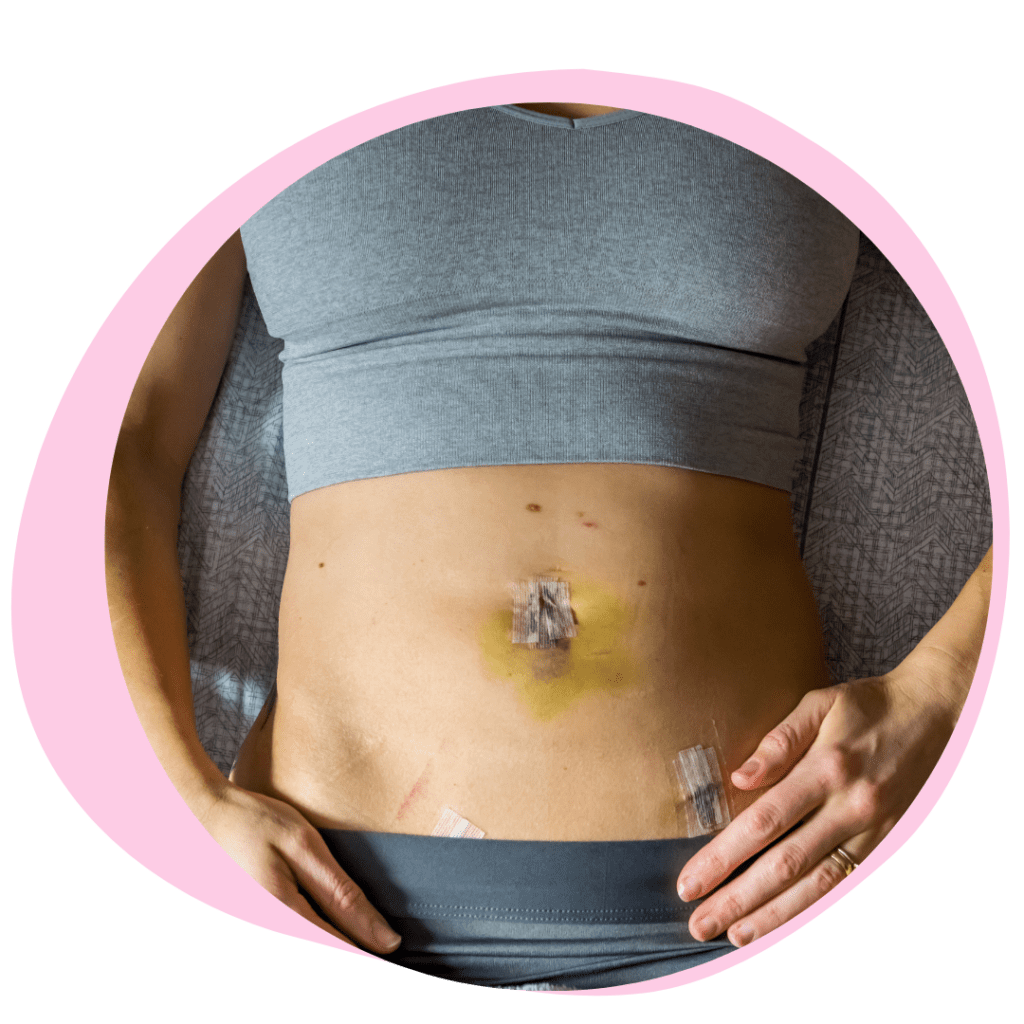
Endometriosis Surgery: The Crucial Excision Path to Definitive Relief Endometriosis is a chronic, painful condition affecting millions of women worldwide, causing suffering that ranges from debilitating menstrual cramps to infertility and chronic pelvic pain. For many, management involves hormones or painkillers, but for definitive, long-term relief, surgical intervention often becomes the necessary, pivotal step. Understanding the complexity of Endometriosis Surgery what it entails, why it is performed, and which method is superior is the first crucial step toward regaining a healthy, pain-free life. When this decision is made, the choice of physician becomes critical. Dr Alain Daher is a recognized specialist in minimally invasive gynecologic surgery, bringing specialized expertise in treating complex cases of endometriosis. His commitment is to guide patients through the entire process, ensuring they receive the most advanced and effective form of Surgery available. This comprehensive guide delves into everything you need to know about surgical options, focusing on the specialized technique that offers the best hope for lasting Endometriosis Pelvic Pain Relief: Excision. Defining the Need: What is Endometriosis Surgery? This Surgery is performed to remove endometrial-like tissue implants that have grown outside the uterus, causing inflammation, pain, and scar tissue (adhesions). This tissue, which behaves like the lining of the uterus by bleeding monthly, has no way to exit the body, leading to the formation of cysts and painful internal scarring. Why Is Surgery Necessary? The decision to proceed with Endometriosis Surgery is based on several key factors: Diagnosis and Staging: Often, Endometriosis Surgery (specifically laparoscopy) is the definitive way to diagnose the disease, as imaging techniques can miss subtle implants. It allows the surgeon to visualize, biopsy, and determine the extent (stage) of the disease. Intractable Pain: When medical treatments (like hormonal therapy) fail to control severe, chronic, or debilitating pain, surgery offers the most reliable pathway to Endometriosis Pelvic Pain Relief. Fertility Improvement: For women struggling with conception, Endometriosis and Infertility Treatment are frequently linked. Removing the implants and associated scar tissue can improve natural conception rates or optimize the success of assisted reproductive technologies like IVF. Organ Function Restoration: In severe cases, the disease, known as Deep Infiltrating Endometriosis Specialist, can affect organs like the bowel, bladder, or ureters, potentially obstructing their function. Endometriosis Surgery is essential to restore proper organ mechanics. The Gold Standard: Endometriosis Excision Surgery Lebanon The quality of Endometriosis Surgery is entirely dependent on the surgical technique used. Dr Alain Daher and leading international experts advocate for Endometriosis Excision Surgery Lebanon as the gold standard of care. This technique involves meticulously cutting out and removing the entire endometriotic lesion, including the roots of the disease, rather than simply burning the surface. Endometriosis Excision Surgery Lebanon requires specialized training, extensive experience, and often advanced techniques, distinguishing it from general gynecological procedures. Patients seeking comprehensive care in the region prioritize finding a center that consistently delivers this high standard of definitive removal. Excision vs. Ablation: The Crucial Difference The most important distinction any patient must understand when considering Endometriosis Surgery is the fundamental difference between excision and ablation. This choice dictates the likelihood of achieving long-term Endometriosis Pelvic Pain Relief and reducing the risk of recurrence. Endometriosis Excision vs Ablation: Why Excision Wins Excision (Cutting Out): This technique involves carefully dissecting the endometriotic lesion from the underlying healthy tissue (peritoneum, bowel, bladder) using sharp dissection. The entire lesion is removed, ensuring the disease’s “root” is taken out. This is the definitive treatment method for Endometriosis Surgery. Ablation (Burning/Coagulation): This technique uses heat (laser, electrocautery) to destroy or burn the surface of the lesions. Crucially, ablation often fails to reach the full depth of the disease, leaving residual tissue beneath the surface. This residual tissue can continue to cause pain and lead to earlier recurrence. The comparison of Endometriosis Excision vs Ablation overwhelmingly favors excision because endometriosis is an infiltrating disease. Ablation provides temporary relief but carries a higher risk of recurrent pain, which is why experts like Dr Alain Daher specialize in the more complex Endometriosis Excision Surgery Lebanon. When seeking definitive treatment, understanding the choice between Endometriosis Excision vs Ablation is paramount. Managing Endometrioma Cysts A specific type of lesion addressed in Endometriosis Surgery is the endometrioma, or “chocolate cyst,” found on the ovary. The method used to remove these cysts is also crucial. Endometrioma Cyst Excision is the recommended approach. This involves carefully peeling the cyst wall away from the healthy ovarian tissue. While challenging, Endometrioma Cyst Excision maximizes the removal of the disease while preserving the patient’s ovarian reserve (the number of healthy eggs). Conversely, simple drainage or burning the cyst wall (ablation) is associated with high recurrence rates and potential damage to healthy ovarian tissue. When performed correctly, Endometrioma Cyst Excision significantly improves the long-term prognosis for both pain and Endometriosis and Infertility Treatment. Advanced Techniques: Laparoscopic and Robotic Excellence Modern Endometriosis Surgery demands minimally invasive techniques, which offer patients faster recovery and less post-operative scarring. The choice between traditional open surgery and these advanced methods is simple: minimally invasive procedures are safer and yield better results. Laparoscopic Endometriosis Surgery Beirut: The Standard of Care This Surgery uses small incisions (typically 5 to 10 millimeters), a high-definition camera, and specialized long instruments to perform complex excision inside the abdomen. This approach offers significant advantages: Magnified Visualization: The camera provides a highly magnified view of the pelvic organs, allowing the surgeon to precisely identify and excise even tiny implants. Minimized Trauma: Smaller incisions lead to less blood loss, less post-operative pain, and a significantly faster Endometriosis Surgery Recovery Timeline. Local Expertise: Laparoscopic Endometriosis Surgery Beirut is a specialized procedure, and finding an expert proficient in this technique is vital for success. Dr Alain Daher is committed to utilizing this advanced, minimally invasive approach for the benefit of his patients, establishing the highest standard for Endometriosis Surgery. The Precision of Robotic Endometriosis Excision For the most complex cases, such as deep disease infiltration or recurrence, Robotic Endometriosis Excision offers an additional layer of precision. Robotic Endometriosis Excision
Fetal Monitoring Lebanon: Essential Steps for Safety

Fetal Monitoring Lebanon: 7 Essential Steps to Ensure Safety The nine-month journey of pregnancy is one of profound anticipation and immense responsibility. For expectant parents in the region, ensuring the optimal health and safety of both mother and baby is paramount. In this complex and vital phase of women’s health, the quality of care specifically the vigilance and technology dedicated to Fetal Monitoring Lebanon makes all the difference. World-class care in Obstetrics is no longer exclusive to major international capitals; leading experts like Dr Alain Daher bring globally recognized standards and specialized knowledge right here. As a highly trained Obstetrics Specialist, Dr. Daher understands that comprehensive pregnancy monitoring is a continuous process, demanding constant attention to detail and immediate access to advanced diagnostic tools. This guide outlines the 7 essential steps in modern Fetal Monitoring Lebanon, detailing the protocols and specialized interventions necessary to safeguard every pregnancy, especially those categorized as high-risk. From the earliest weeks of conception to the final moments of Preparing for Birth Lebanon, this structured approach ensures a clear, safe, and positive outcome. Step 1: Early Pregnancy Monitoring and Establishing a Baseline The first trimester sets the foundation for the entire pregnancy, making Early Pregnancy Monitoring the most critical step in the journey. The initial weeks are a time of rapid cellular development, and precise surveillance is vital for confirming viability and establishing accurate gestational dating. Early Pregnancy Monitoring typically begins with a detailed medical history review, including any past complications. For many, this initial phase requires a reassuring expert presence, especially if there is a history of loss. This is where a Recurrent Miscarriage Specialist becomes indispensable. If a patient has experienced three or more consecutive pregnancy losses, a specialist is needed to conduct targeted diagnostic investigations, such as hormonal profiling, genetic screening, and structural uterine assessment. The goal of Early Pregnancy Monitoring is to detect potential issues before they become life-threatening complications. Dr Alain Daher emphasizes a proactive approach during this foundational stage. Early confirmation of heartbeat and proper implantation through highly sensitive transvaginal ultrasound is the first element of Fetal Monitoring Lebanon. Establishing this baseline, combined with thorough maternal bloodwork, ensures that potential risks whether due to maternal health conditions or historical issues are identified immediately. This diligent Early Pregnancy Monitoring is fundamental to the entire process of successful Obstetrics. Step 2: The Role of Advanced Prenatal Screenings Modern Obstetrics has revolutionized the ability to assess fetal health and genetic risks non-invasively, providing answers earlier than ever before. This is accomplished through Advanced Prenatal Screenings. The primary tool in this revolution is the Non Invasive Prenatal Testing (NIPT) Lebanon. This simple maternal blood test can be performed as early as the tenth week of pregnancy and screens for common chromosomal abnormalities, such as Down syndrome, Edwards syndrome, and Patau syndrome, with remarkable accuracy. The availability of Non Invasive Prenatal Testing (NIPT) Lebanon has significantly reduced the need for more invasive diagnostic procedures. The precision offered by Non Invasive Prenatal Testing (NIPT) Lebanon gives parents crucial information early in the pregnancy journey. Beyond NIPT, Advanced Prenatal Screenings also include first-trimester screening (nuchal translucency scan and serum markers) and second-trimester multiple marker screening. For patients with a family history of specific genetic conditions, Genetic Counseling Pregnancy Lebanon becomes an integral part of this step. The role of Genetic Counseling Pregnancy Lebanon is not to make decisions for the parents, but to clearly interpret the results of these sensitive screens and provide unbiased, comprehensive information about potential fetal risks and subsequent diagnostic options. Every element of Fetal Monitoring Lebanon relies on the precise integration of these screenings. By combining initial bloodwork, the Genetic Counseling Pregnancy Lebanon process, and advanced lab results, the Obstetrics Specialist can create a highly personalized risk profile, moving forward confidently with targeted monitoring. Advanced Prenatal Screenings are a cornerstone of modern Prenatal Care Beirut. Step 3: Comprehensive Ultrasound Mapping While screenings offer genetic insights, ultrasound provides the critical visual blueprint for fetal growth and anatomical development. This step centers around the Detailed Pregnancy Ultrasound Beirut. The second trimester (around 18-22 weeks) is the ideal window for the anomaly scan, also known as the morphology scan. This is far more than a simple check; it is a meticulous, head-to-toe structural examination. A Detailed Pregnancy Ultrasound Beirut assesses every major organ system from the four chambers of the heart to the integrity of the spine, kidneys, and brain structure to rule out structural malformations. The accuracy of the Detailed Pregnancy Ultrasound Beirut depends entirely on the technology used and the skill of the Obstetrics Specialist interpreting the images. Dr Alain Daher, an experienced Obstetrics Specialist known for his meticulous approach, ensures that every patient receives a comprehensive structural assessment. Furthermore, the practice utilizes specialized technology, making 3D Ultrasound Pregnancy Lebanon available for enhanced visualization. While not always necessary for diagnosis, 3D Ultrasound Pregnancy Lebanon can provide invaluable clarity on facial and limb structures, offering parents a deeply reassuring and emotionally connecting experience, especially when dealing with known structural anomalies. The utility of 3D Ultrasound Pregnancy Lebanon often extends beyond aesthetics to confirm subtle structural details. In the later stages, the Detailed Pregnancy Ultrasound Beirut is used to monitor placental function, amniotic fluid volume, and fetal position. Regular ultrasound checks are an absolute necessity in Prenatal Care Beirut, forming a pillar of reliable Fetal Monitoring Lebanon and confirming the ongoing anatomical well-being that defines safe Obstetrics. Step 4: Specializing in High-Risk Pregnancy While the majority of pregnancies are low-risk, approximately 6% to 8% are classified as high-risk, requiring specialized management. This demands the focused expertise of a High Risk Pregnancy Specialist Beirut. A pregnancy may be deemed high-risk due to pre-existing maternal conditions (such as diabetes, hypertension, autoimmune disorders, or advanced maternal age), or due to complications arising during pregnancy (such as pre-eclampsia, placenta previa, or fetal growth restriction). Navigating these challenges successfully requires a dedicated High Risk Pregnancy Specialist Beirut and the resources of Maternal Fetal Medicine Lebanon. Maternal Fetal Medicine Lebanon is
Mastectomy lebanon: 5 Crucial Paths to Success

Mastectomy Lebanon: 5 Crucial Surgical Options for a Positive Outcome The journey following a breast cancer diagnosis is often characterized by overwhelming choices, medical jargon, and emotional complexity. Among the most significant decisions a patient faces is the type of surgery. For women seeking the highest standard of care in the Middle East, understanding the options for Mastectomy lebanon and breast preservation is paramount. In Lebanon, patients have access to world-class oncological care, and experts like Dr Alain Daher are pioneering modern, personalized surgical approaches. Dr Alain Daher is not just a surgeon; he is a specialist in both oncology and minimally invasive gynecologic surgery, bringing a holistic perspective to female health. His dual expertise is crucial when Choosing a breast cancer specialist who can seamlessly integrate cancer removal with immediate aesthetic reconstruction, ensuring that the patient’s recovery addresses both the disease and her identity. This comprehensive guide breaks down the five crucial surgical paths available, detailing how these advanced options are reshaping the landscape of breast cancer surgical treatment Lebanon. The Decision Point: Lumpectomy vs. Mastectomy The initial decision often revolves around two primary surgical modalities: breast-conserving surgery (BCS) and mastectomy. This fundamental choice whether to save the breast or remove it is guided by tumor biology, size, location, and, critically, patient preference. Breast Conserving Surgery (BCS): Achieving Oncological Safety Breast-Conserving Surgery (BCS), often referred to as a lumpectomy, involves removing only the cancerous tumor and a small ring of healthy tissue (the margins) around it. The goal is simple: eliminate the cancer while preserving as much of the breast tissue as possible. Historically, the safety of BCS was often questioned. However, extensive clinical trials spanning decades have confirmed that for patients with early-stage breast cancer, Breast Conserving Surgery (BCS) success followed by radiation therapy offers the same long-term survival rates as a complete mastectomy. This shift in understanding has placed a greater emphasis on personalized surgical planning. The central challenge with BCS is maintaining an aesthetically pleasing result while achieving clear margins. This is where modern techniques shine. When comparing the pros and cons, considering Lumpectomy vs Mastectomy options often involves assessing the tumor-to-breast size ratio. If the tumor is large relative to the breast, a conventional lumpectomy may result in significant deformity. Dr Alain Daher specializes in techniques that mitigate this risk. His expertise allows him to address complex resections while preserving the breast form. The ability to achieve high Breast Conserving Surgery (BCS) success is dependent not only on removing the tumor but also on the surgeon’s skill in managing the remaining breast tissue. This brings us directly to the role of specialized aesthetic techniques. The Art of Oncoplastic Breast Surgery Beirut For many patients, the choice is not simply Lumpectomy vs Mastectomy options, but rather the use of Oncoplastic Breast Surgery Beirut. This is a highly specialized approach that combines the principles of surgical oncology (complete cancer removal) with plastic surgery (reconstruction and reshaping) in a single operation. When a tumor is large or awkwardly placed, a standard lumpectomy may be cosmetically inadequate. Oncoplastic Breast Surgery Beirut uses techniques borrowed from breast reduction or lift surgery to rearrange the remaining glandular tissue after tumor removal, filling the defect and ensuring the breast retains a natural, symmetric shape. In many cases, the opposite breast is also reshaped (symmetrization) to ensure the patient achieves the best possible aesthetic outcome. This technique minimizes the emotional and psychological impact of cancer surgery and significantly contributes to patient satisfaction and confidence during their Breast Cancer Surgery recovery time. For women facing a choice between a total Mastectomy lebanon and a highly aesthetic breast conservation, Oncoplastic Breast Surgery Beirut offers a life-changing middle ground. The Total Commitment: Modern Mastectomy Techniques For some patients, a mastectomy remains the medically necessary or personally preferred choice. Reasons can include a large tumor size, multiple areas of cancer in the breast (multi-focal disease), previous radiation therapy, or the presence of specific genetic mutations (like BRCA1/2) that carry a high lifetime risk of recurrence. The modern Mastectomy lebanon is vastly different from the radical procedures of the past. Today’s techniques prioritize minimal invasiveness and aesthetic preservation. The Skin Sparing Mastectomy Procedure The classic mastectomy involved removing the entire breast, including the nipple-areola complex and most of the overlying skin. Today, the standard evolution is the Skin Sparing Mastectomy procedure. In the Skin Sparing Mastectomy procedure, the breast tissue itself is removed through a small, strategically placed incision, but the vast majority of the breast skin envelope is preserved. This acts as a biological “pocket” into which the reconstructive material (implant or tissue flap) can be placed immediately. The benefit of the Skin Sparing Mastectomy procedure is a superior aesthetic result, as the reconstructive breast looks more natural and less scarred. This approach is routinely utilized by leading surgical oncologists like Dr Alain Daher and significantly simplifies the process of Immediate Breast Reconstruction options. It drastically reduces the complexity of reconstruction compared to working with limited or damaged skin. Preserving Identity: Nipple Sparing Mastectomy (NSM) The most advanced form of mastectomy offered for appropriate candidates is the Nipple Sparing Mastectomy (NSM). This delicate operation represents the pinnacle of combining oncological safety with aesthetic preservation. In Nipple Sparing Mastectomy (NSM), the surgeon removes all the glandular tissue while preserving the entire skin envelope, including the nipple and areola. The breast tissue underneath the nipple is meticulously removed and sent for frozen section pathology to ensure no cancer cells are present in that area. Nipple Sparing Mastectomy (NSM) is not suitable for all patients especially if the tumor is located close to the nipple or if there is inflammatory breast cancer but when applicable, it offers the most natural-looking result after reconstruction. It is one of the definitive Breast reconstruction surgery techniques that provides a more rapid psychological recovery, as the patient retains a core aspect of her pre-surgical body image. This is a critical option when evaluating Lumpectomy vs Mastectomy options, as the cosmetic results of an
