



Egg Freezing Lebanon: Your Ultimate Path to Success
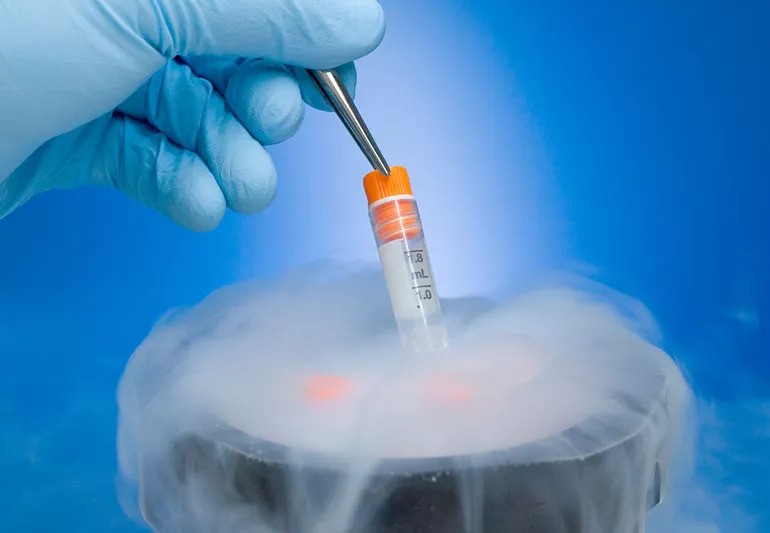
Egg Freezing Lebanon: A Definitive Guide to Fertility Preservation with Dr. Alain Daher Section 1: Introduction: A New Horizon for Female Fertility in Lebanon In a rapidly changing world where women are increasingly prioritizing career aspirations, higher education, and personal goals, the ability to plan one’s family on a personal timeline has become a matter of reproductive autonomy and empowerment. The traditional biological clock, once a source of significant pressure, can now be managed with advanced medical technologies. Among these, egg freezing lebanon has emerged as a groundbreaking option, revolutionizing family planning for women across the globe. This innovative approach to fertility preservation lebanon allows women to extend their reproductive years by preserving their eggs when they are at their healthiest and most viable. The scientific term for this process is oocyte cryopreservation lebanon, which involves the careful retrieval, freezing, and storage of a woman’s unfertilized eggs for future use. For years, the efficiency of this procedure was questionable, but recent advancements, particularly the widespread adoption of the vitrification technique, have transformed it into a routine and highly effective service worldwide. Lebanon has distinguished itself as a regional leader in this field, with women from neighboring countries like Iraq and Syria, and even from Europe, traveling to the country for the procedure. This trend is fueled by the exceptional quality of care available and the highly competitive costs, positioning Lebanon as a top destination for those seeking affordable egg freezing lebanon. The significant difference in egg freezing cost lebanon, which can be as low as $1,500 compared to over $10,000 in countries like Spain, has made high-quality fertility services more accessible than ever before. At the forefront of this medical advancement in the country is Dr. Alain Daher, a distinguished infertility specialist lebanon. With a comprehensive background in obstetrics and gynecology, his expertise spans minimally invasive gynecologic surgery, infertility, and senology. Dr. Alain Daher‘s credentials include a Specialty Diploma from Saint Joseph University in Beirut and prestigious fellowships in IVF from Cochin Port Royal Hospital, France, as well as in Breast and Pelvic Surgery from Institut Curie, France. His role as a lecturer at Saint Joseph University Faculty of Medicine further establishes his authority and deep knowledge in the field. He is a member of esteemed international bodies such as the French Fetal Ultrasound College, highlighting his commitment to maintaining the highest standards of care. Dr. Alain Daher provides a full spectrum of services for fertility preservation lebanon, offering personalized care and expert guidance to women from all walks of life. The practice of Dr. Alain Daher is committed to providing clarity and support, making the journey of oocyte cryopreservation lebanon a confident and well-informed decision. Section 2: The Science Behind the Procedure: What Is Egg Freezing and How Does It Work? Understanding what is egg freezing procedure and how does egg freezing work is the first step in the journey of reproductive empowerment. Oocyte cryopreservation is the process of preserving a woman’s unfertilized eggs by freezing them to be stored for future use. This technique, also known as egg banking or egg cryopreservation, allows women to essentially “pause the biological clock” on their eggs, preserving them in their current, more viable state. When a woman is ready to conceive, the eggs can be thawed, fertilized in a laboratory, and transferred to the uterus as embryos. The efficacy of oocyte cryopreservation has been dramatically improved with the advent of vitrification, an ultra-rapid cooling method. Unlike older slow-freezing methods that risked damaging the egg’s delicate cellular structure with ice crystal formation, vitrification solidifies the egg so quickly that ice crystals do not have time to form. This significantly increases the survival rate of the eggs upon thawing, contributing to higher overall success rates. The duration of storage does not impact the quality or viability of the oocytes; eggs can be stored indefinitely without weakening, with successful pregnancies reported from eggs frozen for over a decade. A frequent point of confusion is the distinction between egg freezing vs ivf. The initial stages of both procedures are remarkably similar, involving ovarian stimulation and egg retrieval. The primary difference lies in the final step. In egg freezing, the retrieved eggs are immediately cryopreserved and stored for a later date. In contrast, In Vitro Fertilization (IVF) involves fertilizing the eggs with sperm in a laboratory immediately after retrieval, with the resulting embryos then being either transferred to the uterus or cryopreserved. The decision between egg freezing vs ivf often hinges on whether a woman is ready to conceive at the present time. Egg freezing offers individuals the flexibility to delay parenthood, which is particularly advantageous for women who are not currently in a committed relationship, as it preserves their reproductive freedom. This is especially relevant in the Lebanese context, where cultural and religious norms play a significant role. The legal and religious framework in Lebanon, particularly within the Sunni Muslim community, prohibits third-party reproductive assistance, such as the use of donor eggs or sperm, as it violates the moral imperative to preserve “nasab,” or a clear lineage. Because oocyte cryopreservation lebanon uses a woman’s own eggs, it provides a crucial and religiously sanctioned path to fertility preservation for single women or those who wish to delay marriage. This alignment with cultural values makes egg freezing lebanon not just a medical option, but a solution that deeply respects the sanctity of family lineage, reinforcing the importance of choosing a fertility specialist lebanon who understands these specific cultural dynamics, such as Dr. Alain Daher. Section 3: The Patient Journey: A Detailed Egg Freezing Process Timeline Embarking on the journey of oocyte cryopreservation lebanon involves a clear, multi-step process designed to maximize success and ensure patient comfort. The egg freezing process timeline typically spans about two to three months from the initial consultation to the final retrieval, though the core hormonal stimulation phase is much shorter. The journey begins with an initial consultation with a trusted infertility specialist lebanon like Dr. Alain Daher. During this meeting, a
Infertility Treatment: Your Definitive Path to Successful Parenthood

The Path to Parenthood: Finding the Right Infertility Specialist in Lebanon Embarking on the journey to parenthood can be filled with hope and challenges. When couples face difficulties conceiving, the support of a skilled and compassionate infertility specialist becomes invaluable. In Lebanon, where many couples seek expert guidance, finding the right doctor is a crucial first step. This guide will help you understand the role of an infertility specialist and highlight why a leading professional like Dr. Alain Daher is a trusted choice for infertility treatment Lebanon. Understanding Infertility: A Comprehensive Overview Infertility is a complex medical condition defined by the inability to achieve pregnancy after a year of regular, unprotected intercourse. For women over 35, this timeframe is often shortened to six months. It’s a condition that can affect both men and women, and finding a qualified infertility specialist is the key to accurate diagnosis and effective treatment. The first step for couples is to seek fertility testing for couples Lebanon. These tests help the infertility specialist identify the underlying causes, which can range from hormonal imbalances to structural issues. Common Causes of Infertility in Women Lebanon Understanding the potential causes is vital for effective infertility treatment Lebanon. A top infertility specialist will perform a thorough evaluation to pinpoint the specific factors at play. Ovulation Disorders: These are a leading cause of female infertility Lebanon. Conditions like Polycystic Ovary Syndrome (PCOS), premature ovarian failure, and hormonal imbalances can disrupt or prevent ovulation. When dealing with PCOS and infertility Lebanon, an infertility specialist can create a personalized plan to manage symptoms and improve fertility. Fallopian Tube Damage or Blockage: This can prevent the egg from meeting the sperm or block the fertilized egg from reaching the uterus. Infections, past surgeries, or endometriosis can cause these blockages. Endometriosis: A condition where tissue similar to the lining of the uterus grows outside the uterine cavity. It can affect the ovaries, fallopian tubes, and surrounding organs, leading to female infertility Lebanon. Uterine or Cervical Issues: Issues with the shape of the uterus or the presence of fibroids or polyps can interfere with implantation. For any of these issues, a specialized infertility specialist has the expertise to offer solutions, ensuring couples receive the best care. The Role of an Infertility Specialist An infertility specialist is a physician who has undergone extensive training in reproductive endocrinology and infertility (REI). Their primary goal is to diagnose and treat conditions that prevent conception. They are experts in advanced reproductive technologies and surgical procedures. For couples in the capital, finding a dedicated fertility specialist Beirut is often the first step in their journey. A good infertility dr lebanon will provide not only medical expertise but also emotional support, guiding couples through every step. Diagnosis: A skilled infertility specialist uses a variety of diagnostic tools, from blood tests and ultrasounds to more advanced procedures like hysteroscopy and laparoscopy. The goal is to get a clear picture of what is causing the infertility. Treatment Planning: Based on the diagnosis, the infertility specialist will create a customized treatment plan. This may involve fertility medications Lebanon, surgical interventions, or assisted reproductive technologies like IVF. Patient Education: A compassionate infertility specialist will take the time to explain the diagnosis and treatment options in detail, empowering couples to make informed decisions. Dr. Alain Daher: Your Trusted Infertility Specialist in Beirut When seeking a top infertility specialist, it is essential to choose a doctor with a proven track record and extensive experience. Dr. Alain Daher is a highly respected fertility specialist Beirut known for his compassionate approach and successful outcomes. With a deep understanding of the unique challenges faced by couples in the region, Dr. Alain Daher has dedicated his career to helping individuals and couples achieve their dreams of building a family. His clinic offers a full spectrum of services, from initial consultations and diagnostic tests to advanced reproductive treatments. Advanced Treatments for Infertility The field of reproductive medicine is constantly evolving, and a leading infertility specialist stays at the forefront of these advancements. At the clinic of Dr. Alain Daher, you can find a range of cutting-edge treatments. IVF (In Vitro Fertilization): This is one of the most common and effective treatments for infertility. It involves fertilizing an egg with sperm in a lab and then transferring the embryo to the uterus. Dr. Alain Daher is an experienced infertility specialist in this field, providing high-quality care throughout the entire process. Fertility Preservation Lebanon: For individuals facing cancer treatment or other medical conditions that could impact their fertility, fertility preservation Lebanon offers a way to safeguard their ability to have children in the future. This includes egg and sperm freezing. A knowledgeable infertility specialist will discuss these options and guide the patient through the process. Surgical Interventions: Some causes of infertility, such as uterine fibroids or fallopian tube blockages, may require surgical correction. A skilled infertility specialist can perform minimally invasive procedures to address these issues. Unexplained Infertility Treatment Beirut: Sometimes, despite a thorough workup, the cause of infertility remains unknown. This is known as unexplained infertility. A great infertility specialist will not give up and will work with the couple to explore various treatment options, from medication to IVF, to increase their chances of success. Addressing Specific Concerns: Symptoms and Treatments The Symptoms of infertility in couples can be subtle or non-existent, which is why seeking professional help is so important. A professional infertility specialist can help identify underlying issues. For example, a woman might have irregular periods, which could be a symptom of an ovulation disorder. In men, a low sperm count might not have any outward symptoms. This is why a thorough evaluation by a qualified infertility dr lebanon is so critical. For couples struggling with unexplained infertility treatment Beirut, the journey can be particularly frustrating. However, a dedicated infertility specialist will work with them, exploring options and providing hope. This is where the expertise of a professional like Dr. Alain Daher truly shines, as he provides personalized and compassionate
Urogynecology Specialist Lebanon: 5 Pillars to Restore Health
Urogynecology Specialist Lebanon: 5 Advanced Solutions For women facing the challenges of pelvic floor disorders conditions that often remain unspoken yet dramatically impact quality of life finding a reliable, authoritative specialist is the first Advanced step toward recovery. In Lebanon, the specialized field of female pelvic medicine demands expertise that seamlessly integrates gynecologic care with advanced surgical skill. Dr Alain Daher and his team are recognized as leading Urogynecology Experts Achrafieh, offering comprehensive management for the full spectrum of female pelvic floor disorders Lebanon. The decision to seek help for issues like urinary incontinence or prolapse is highly personal. This post outlines five crucial areas of expertise that define the practice of Dr Alain Daher as the definitive Urogynecology Specialist Lebanon and demonstrate the commitment to providing definitive, compassionate solutions. Our goal is not just management, but permanent, life-changing restoration through precision diagnostics and Minimally Invasive Prolapse Surgery Beirut. Pillar 1: Comprehensive Diagnosis of Female Pelvic Floor Disorders The foundation of effective treatment for complex pelvic health issues lies in accurate diagnosis. What often presents as general bladder weakness or chronic discomfort may be one of many distinct Female Pelvic Floor Disorders Lebanon. As the leading Urogynecology Specialist Lebanon, Dr. Daher’s practice begins with state-of-the-art diagnostic technologies to pinpoint the exact cause of symptoms. The practice offers complete evaluation and personalized care for the full range of conditions impacting the pelvic floor, including urinary incontinence (stress, urge, and mixed types), overactive bladder syndrome, and recurrent urinary tract infections. Critically, the team specializes in managing conditions that are frequently misdiagnosed or poorly treated by general practitioners, including Interstitial Cystitis Treatment Lebanon and Complex pelvic floor dysfunction. This specialization is why patients seek out the Urogynecology Specialist Lebanon team for definitive diagnosis. Addressing Complex Conditions: Beyond the Basics Patients suffering from intense, chronic pain may find relief through expertise focused on conditions like Interstitial Cystitis Treatment Lebanon. Interstitial Cystitis/Painful Bladder Syndrome requires intricate, specialized knowledge, a core competency of the Urogynecology Specialist Lebanon practice. Furthermore, managing Fecal incontinence and Complex pelvic floor dysfunction is part of the comprehensive care model, confirming that the practice treats the entire pelvic system, not just the bladder. This holistic perspective is the hallmark of true Urogynecology Specialist Lebanon care. Pillar 2: Mastering Minimally Invasive Surgical Excellence (Faster Recovery, Better Results) When conservative treatments prove insufficient, surgery becomes the most effective pathway to restoration. However, the type of surgery matters immensely. Dr Alain Daher specializes in Minimally Invasive Prolapse Surgery Beirut, which radically minimizes recovery times and complications compared to traditional open procedures. This focus on minimally invasive approaches is central to the practice’s promise of “superior patient outcomes”. The choice of procedure depends entirely on the patient’s specific diagnosis and lifestyle needs. For patients suffering from Pelvic Organ Prolapse Treatment Lebanon, the goal is anatomical restoration with the least possible trauma. Dr. Daher’s surgical expertise includes: Laparoscopic and Robotic-Assisted Procedures: The practice leads in Robotic-Assisted Pelvic Surgery in the region, offering surgeons superior precision, flexibility, and control, leading directly to the fastest possible recovery. For patients seeking Minimally Invasive Prolapse Surgery Beirut, this technology ensures the best technical result. Advanced Prolapse Repair Techniques: Dr. Daher is certified in specialized surgical methods designed for complex prolapse, ensuring long-lasting and durable results. These procedures fall under the high-skill category of Reconstructive Pelvic Surgery Lebanon. Patients specifically seeking Minimally Invasive Prolapse Surgery Beirut benefit from this dedication to advanced surgical standards. This dual focus on minimally invasive methodology and complex Reconstructive Pelvic Surgery Lebanon is why the practice is considered the standard for Urogynecology Specialist Lebanon services in the capital and surrounding areas. For any woman considering Minimally Invasive Prolapse Surgery Beirut, choosing an expert dedicated solely to this methodology is critical to success. Dr Alain Daher ensures that this surgical excellence translates into a definitive solution for Female Pelvic Floor Disorders Lebanon. Pillar 3: Definitive Solutions for Urinary Incontinence Urinary Incontinence is often categorized into stress incontinence (leakage upon coughing or movement) and urge incontinence (sudden, intense need to urinate). Finding effective Urinary Incontinence Treatment Lebanon requires comprehensive diagnostics and a range of therapeutic options, from conservative management to definitive surgical intervention. As a leading Urogynecology Specialist Lebanon, Dr. Daher provides individualized treatment plans, which often begin with pelvic floor physical therapy, behavioral modifications, or medication management. However, for many patients whose symptoms persist, a permanent solution is often necessary. Advanced Surgical Treatment for Stress Incontinence For patients suffering from stress urinary incontinence, Dr. Daher offers the gold standard for surgical treatment: Tension-Free Vaginal Sling Procedures. This procedure effectively supports the urethra and bladder neck to restore control during physical exertion. Patients looking for definitive Urinary Incontinence Treatment Lebanon find that this specialized, precise surgical intervention offers high success rates and minimizes the impact of leakage associated with everyday activities. Innovative Minimally Invasive Procedures For cases of urge incontinence or overactive bladder that do not respond to initial therapies, the Urogynecology Specialist Lebanon offers Advanced interventional options that are minimally invasive. These innovative solutions, which bypass the need for major surgery, include: Botox Injections: Used to temporarily relax an overactive bladder muscle, effectively reducing the frequency and urgency of urination. Sacral Neuromodulation Lebanon: A cutting-edge procedure that involves implanting a small device to regulate the nerves controlling the bladder and pelvic floor. This procedure is reserved for complex or refractory cases and demonstrates the commitment of Dr Alain Daher to offer the most Advanced treatment for Urinary Incontinence Treatment Lebanon. Whether requiring the precision of Tension-Free Vaginal Sling Procedures or the Advanced interventional approach of Sacral Neuromodulation Lebanon, the practice is equipped to provide the highest level of care for Female Pelvic Floor Disorders Lebanon. Pillar 4: The Critical Difference: Specialized Expertise and Local Authority Why choose a dedicated Urogynecology Specialist Lebanon over a general gynecologist? The distinction lies in the unparalleled, concentrated training required to manage the delicate and interconnected structures of the pelvic floor. The urogynecology team at Dr Alain Daher‘s practice is composed of
Best Gynecologist in Lebanon: 5 Pillars of Unmatched Care

Best Infertility Specialist & Gynecologist Lebanon: 5 Proven Wins In the complex landscape of women’s health, finding a medical practitioner who combines deep, specialized expertise with genuine human compassion is paramount. For patients navigating sensitive issues from reproductive challenges to advanced surgical needs, the search often leads them to seek the absolute best care available. This comprehensive guide highlights why Dr Alain Daher stands out in the highly competitive Lebanese medical field, serving as both the best gynecologist in lebanon and the definitive authority across multiple specialties. Following recent fluctuations in search visibility, it is vital to reaffirm the clinical breadth and unparalleled authority that Dr. Daher brings to patient care. This article breaks down his practice into five key areas of excellence five proven wins demonstrating why he is consistently ranked as the best infertility specialist in lebanon and the professional choice for women’s health across Beirut and the wider region. The core of Dr. Daher’s practice, a leading Fertility Treatment Clinic Lebanon offers solutions ranging from IUI to the most advanced reproductive technologies. However, his expertise extends far beyond fertility, covering high-stakes fields like gynecologic oncology and minimally invasive surgery. For patients seeking comprehensive, internationally certified care, understanding these five pillars of expertise solidifies the choice to entrust their well-being to a recognized expert. Win 1: Unmatched International Credentials and Specialized Expertise (The Foundation of Trust) When searching for a medical professional, competence, authority, and trust (E-A-T) are non-negotiable, particularly in critical areas like reproductive and surgical health. Dr. Daher’s foundation is built upon decades of high-level academic training, distinguishing him as a Top Gynecologist Beirut and a globally recognized expert. Dr. Daher graduated from the esteemed Université Saint Joseph (USJ) in Beirut, completing both his medical degree and specialized training in Obstetrics & Gynecology there. This robust foundational experience in best gynecologist in lebanon is merely the starting point. His dedication to mastery led him to pursue multiple advanced European diplomas in France, signifying a rare commitment to the highest international standards of clinical practice. These sub-specializations include diplomas in: Infertility and IVF from Université Paris Descartes. Minimally Invasive and Laparoscopic Surgery from the School of Surgery, Nancy. Breast Pathologies from University Paris VI, La Pitié Salpêtrière. Surgical Gynecology from Institut Curie. This depth of specialized, international certification a standard rarely met by local practitioners is why Dr Alain Daher is synonymous with clinical excellence in the region. His authority is further cemented by his active academic role as a Lecturer in the School of Medicine at Saint Joseph University (Hôtel Dieu de France affiliation), ensuring his practice remains at the cutting edge of research and surgical innovation. This combination of academic leadership and specialized credentials is what truly sets him apart as the best infertility specialist in lebanon. Win 2: Achieving Parenthood with Proven Fertility Solutions The journey to conception can be emotionally taxing and technically demanding, requiring the guidance of a highly skilled infertility specialist lebanon. Dr. Daher has cultivated a reputation as the foremost best infertility specialist in lebanon, dedicated to translating advanced reproductive science into successful family outcomes. His practice offers a complete spectrum of advanced reproductive technologies (ART), making it a comprehensive Fertility Treatment Clinic Lebanon that manages everything from diagnostic workups to complex interventions. Personalized Pathways to Parenthood: IVF and IUI For many couples, In Vitro Fertilization (IVF) offers the highest chance of success. The expertise needed to maximize success rates is highly specialized. Dr. Daher, having earned his diploma in Infertility and IVF from Université Paris Descartes, brings a global standard of care to patients seeking ivf lebanon services. The process begins with a meticulous, individualized evaluation, a hallmark of Dr. Daher’s approach to fertility treatment. Treatments available include: Intra Uterine Insemination (IUI): A less invasive starting point, often utilized for unexplained infertility or mild male factor issues. In Vitro Fertilization (IVF/ICSI): Offering personalized care plans using advanced reproductive technologies for optimal success. Maximizing IVF Success Rates Lebanon The crucial factor for prospective patients searching for ivf lebanon is reliability, typically measured in IVF Success Rates Lebanon. While rates depend heavily on individual factors like age and underlying diagnoses, the key differentiator is the clinical team’s experience and personalized protocol management. Dr Alain Daher focuses not just on performing the procedure, but on optimizing every preparatory step to ensure patients benefit from the best possible chances, setting him apart as the definitive best infertility specialist in lebanon. Furthermore, the clinic addresses modern family planning with services like Egg Freezing. For women focusing on career or facing medical conditions that might impact future fertility, having access to an internationally credentialed infertility specialist lebanon who can confidently manage the delicate process of oocyte cryopreservation is invaluable. This forward-thinking approach underscores his position as the best infertility specialist in lebanon. The ability to offer comprehensive evaluation and personalized care plans means that regardless of whether a patient needs simple counseling or advanced IVF, they are in the hands of the best gynecologist in lebanon capable of delivering customized, compassionate care. If you are searching for successful IVF Success Rates Lebanon, the combination of Dr. Daher’s global training and personalized care plans makes his practice the obvious choice. Win 3: Cutting-Edge Minimally Invasive Surgery and Oncological Care Dr. Daher’s expertise transcends reproductive and general gynecologic health, placing him at the vanguard of surgical treatment in Lebanon. His specialized training in France means he offers advanced surgical options that prioritize patient recovery and superior outcomes, establishing him as a top authority beyond the scope of a traditional best gynecologist in lebanon. Patients facing complex gynecological conditions such as fibroids, ovarian cysts, or endometriosis deserve treatment options that minimize trauma and hasten recovery. This is precisely why the focus on Minimally Invasive Gynecology Lebanon is a pillar of his practice. Precision with Advanced Laparoscopic Surgery Lebanon Dr. Daher is an Advanced Laparoscopic Surgeon, specializing in surgical techniques that require only small incisions and utilize specialized camera systems. This approach ensures: Less Pain: Significantly reduced post-operative
IVF Specialist in Lebanon: Your Ultimate Path to Success!
Why Dr. Alain Daher is a Top Choice for IVF Treatment in Lebanon: Expertise, Compassion, and Success The Unspoken Journey to Parenthood: Finding Your Compassionate Guide The path to parenthood can be a complex and deeply personal journey, often filled with hope, anticipation, and, for many, unexpected challenges. When facing infertility, finding a compassionate and highly skilled medical professional is not merely a preference; it is a necessity. The decision to pursue assisted reproductive technology, such as in vitro fertilization (IVF), marks a significant step, and it requires placing immense trust in a doctor who is not only a scientific expert but also a supportive partner. In this critical moment, a leading figure emerges in the field of reproductive medicine in the region: Dr. Alain Daher. His reputation as a premier IVF specialist in Lebanon is built upon a foundation of extensive medical expertise, cutting-edge technology, and a truly patient-centered philosophy. For couples and individuals considering infertility treatments Lebanon, his practice stands out as a sanctuary of professional, caring, and transparent guidance. Patient feedback consistently highlights his supportive approach and transparent communication, underscoring that his professional excellence is matched by an unwavering commitment to his patients’ emotional well-being. The IVF Landscape in Lebanon: A Regional Hub for Excellence Lebanon has solidified its position as a prominent destination for fertility care, attracting patients from across the Middle East and beyond. This reputation is well-earned, rooted in a combination of factors that make the country an appealing choice for those seeking to start a family. Why Choose Infertility Treatments Lebanon? The medical infrastructure in Lebanon is advanced, with state-of-the-art clinics equipped with the latest technologies to provide a high standard of care. Moreover, fertility doctors in the country are often internationally trained, bringing a wealth of knowledge and expertise from top-tier medical institutions around the world. This combination of modern facilities and highly skilled practitioners ensures that patients receive treatments that are on par with or even surpass those available in many Western nations. Beyond the quality of care, a significant advantage of seeking infertility treatments Lebanon is the cost-effectiveness. The price of a full IVF cycle is considerably lower than in many countries in Europe or the United States, making high-quality reproductive care accessible to a wider audience. This blend of quality, accessibility, and affordability establishes Lebanon as a top choice for a wide range of fertility solutions. Finding the Best Fertility Clinic Beirut For anyone searching for the best fertility clinic Beirut, the criteria for selection are paramount. A patient should look for a clinic with a strong reputation, a wide range of services, and a commitment to personalized care. A clinic’s standing is often a direct reflection of its lead specialist’s credentials and approach. Dr. Alain Daher’s practice embodies these qualities, positioning itself as a leading contender for the best fertility clinic Beirut by offering a comprehensive suite of advanced fertility solutions. His clinic’s dedication to using modern technology and providing one-on-one consultations ensures that every patient receives a treatment plan tailored to their unique circumstances. This bespoke approach is a core element that distinguishes a truly exceptional clinic from the rest, particularly in the deeply personal realm of fertility medicine. Dr. Alain Daher’s Expertise: Beyond the IVF Specialist Title While many doctors may claim to be an IVF specialist in Lebanon, a closer look at Dr. Alain Daher’s background reveals a level of expertise that extends far beyond the typical scope of reproductive medicine. His comprehensive training and multidisciplinary focus allow him to address the root causes of infertility with a depth that is truly exceptional. Dr. Daher’s professional journey began with a specialty diploma in Obstetrics & Gynecology from Hotel Dieu de France de Beirut, but his education did not stop there. He pursued a rigorous, four-year fellowship in France, a hub for medical innovation. During this time, he earned numerous diplomas from prestigious universities, including a diploma in Breast Pathology, a diploma in Robotic Surgery, and a diploma in the Exploration and Practical Handling of Infertility from Paris Descartes. He also completed specialized fellowships in IVF at Cochin Port Royal Hospital and in Breast & Pelvic Surgery at Institut Curie. This extensive training highlights a crucial aspect of Dr. Daher’s practice: his holistic approach. His expertise is not confined to the laboratory; as a skilled Gynecologist specializing in IVF Lebanon, he possesses advanced skills in minimally invasive gynecologic surgery, including both laparoscopic and robotic techniques. This is a significant differentiator. Infertility is often a symptom of underlying gynecological conditions such as endometriosis, uterine fibroids, or structural abnormalities. A doctor who is only a laboratory-based IVF specialist in Lebanon may address the symptoms by moving to IVF immediately, but a surgeon like Dr. Daher can first diagnose and surgically treat these anatomical issues. By resolving these physical barriers, he may not only improve the chances of a successful IVF cycle but, in some cases, even enable natural conception. This nuanced, multi-faceted skill set allows him to provide a level of care that goes beyond standard fertility protocols, positioning him as a more comprehensive and capable medical professional for complex cases. His commitment to staying abreast of the latest advancements through regular conferences and workshops further cements his status as a leading Gynecologist specializing in IVF Lebanon. The Personalized IVF Journey with Dr. Alain Daher The process of IVF is often shrouded in medical jargon, which can be intimidating for prospective parents. A clear understanding of the steps, coupled with a doctor’s personalized approach, can alleviate much of this anxiety. Dr. Alain Daher’s clinic is dedicated to demystifying this journey, providing clear guidance and a treatment plan tailored to each couple’s specific needs. Step-by-Step IVF Process The IVF procedure itself follows a series of carefully monitored steps. The journey begins with an initial consultation where Dr. Daher reviews the patient’s medical history and conducts necessary tests. This is followed by a phase of ovarian stimulation, where medications are prescribed to encourage the ovaries to produce multiple eggs.
Egg Freezing Lebanon: Facts to Unlocking Your Future Fertility
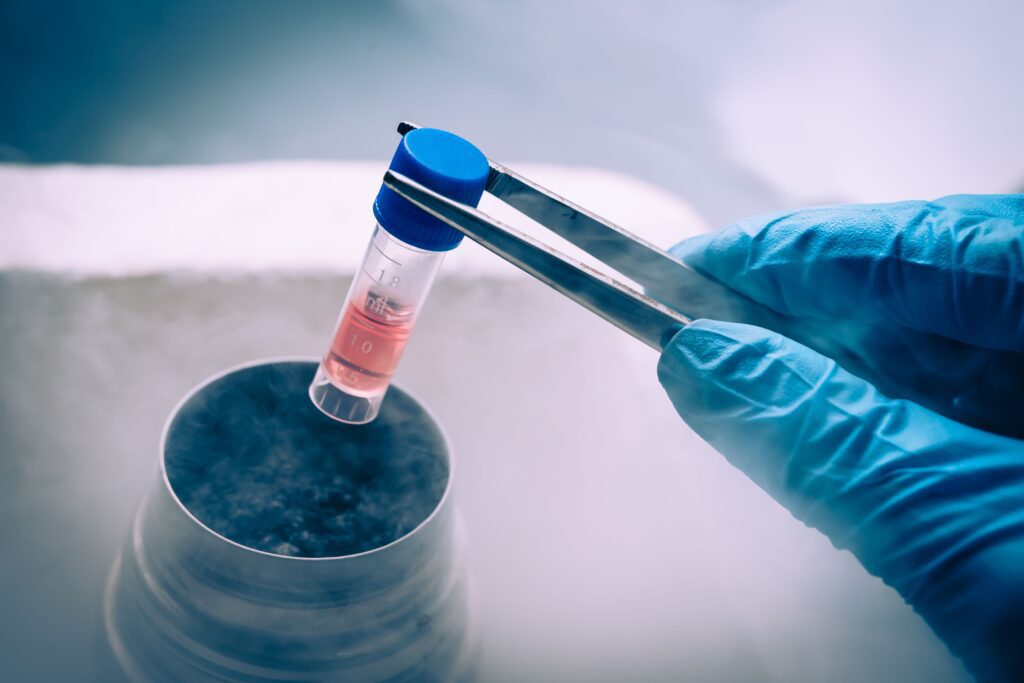
The Definitive Guide to Egg Freezing in Lebanon: Preserving Your Future In an era defined by personal and professional ambition, the modern woman often finds herself at a crossroads. The desire to build a family, which remains a fundamental life goal, frequently coexists with a period of intense focus on education, career, and finding a life partner. This dynamic creates a biological and temporal tension, a “ticking clock” that can feel both relentless and disempowering. In Lebanon, a nation long known for its resilience and dynamism, women are increasingly seeking a way to harmonize these competing life timelines. Egg freezing Lebanon, also known as fertility preservation or oocyte cryopreservation, has emerged as a revolutionary solution, offering women a powerful tool to take control of their reproductive future and separate their biological potential from their chronological age. Lebanon has rapidly positioned itself as a premier destination for advanced fertility treatments in the Middle East and beyond, attracting patients from across the region, including Iraq, Syria, and even some countries in Europe and Africa. This growing reputation is rooted in the country’s sophisticated medical infrastructure, the presence of highly skilled infertility specialist Lebanon, and the accessibility of its services. A key driver of this medical tourism is the significantly lower cost of egg freezing in Beirut and across the country. A single cycle of egg freezing can cost as little as $1,500 in Lebanon, a fraction of the cost in other countries, such as Spain, where the same procedure can reach up to $10,000. The combination of world-class expertise and affordable egg freezing Lebanon makes the country an attractive option for those seeking high-quality care without the prohibitive financial burden often found elsewhere. This accessibility is transforming the landscape of fertility preservation and empowering women across the region. Demystifying the Science: How Does Egg Freezing Work? The concept of preserving a woman’s reproductive potential by pausing her biological clock is rooted in a fascinating area of reproductive medicine called oocyte cryopreservation. The procedure involves harvesting a woman’s unfertilized eggs from her ovaries and storing them at extremely low temperatures, where they are believed to be unaffected by the passage of time. The age of a woman’s eggs is the most crucial factor in determining the likelihood of a successful pregnancy, and egg freezing offers a strategic way to preserve the quality of these eggs from her younger, more fertile years. Historically, egg freezing was a complex and often inefficient process. The egg is the largest cell in the human body, and its relatively large liquid volume made it highly susceptible to damage from ice crystal formation during the freezing process. However, this challenge has been overcome by the advent of a modern, ultra-rapid cooling technique known as vitrification. Vitrification transforms the cellular fluid into a glass-like state, completely bypassing the damaging ice-crystal phase. This innovation has been a game-changer, dramatically increasing the survival rate of eggs during freezing and thawing. The Comprehensive Egg Freezing Process Timeline: A Step-by-Step Journey The decision to undergo egg freezing is significant, and understanding the egg freezing process timeline is essential for any woman considering the procedure. The journey is a multi-week, multi-step process that requires commitment but offers immense future rewards. The entire egg freezing procedure can be broken down into six main stages, as outlined by leading clinics and specialists. Step 1: The Initial Consultation and Assessment. The egg freezing journey begins with a comprehensive consultation with an infertility specialist lebanon. This initial meeting is crucial for determining if egg freezing is the right path for a woman based on her health, lifestyle, and family planning goals. The specialist will conduct a series of tests to assess ovarian reserve, which is the quantity of a woman’s remaining eggs, and overall reproductive health. Step 2: Ovarian Stimulation. This is the longest phase of the egg freezing process timeline, typically lasting between 10 to 12 days. During a natural menstrual cycle, only one egg typically matures and is ovulated. The goal of ovarian stimulation is to encourage the ovaries to produce multiple eggs at once. This is achieved through daily hormonal injections of follicle-stimulating hormone (FSH) and luteinizing hormone (LH). Step 3: Monitoring Appointments. Throughout the stimulation phase, a woman will visit the clinic two times during the 10 days of stimulation. These brief visits, often scheduled early in the morning, involve blood tests and transvaginal ultrasounds to track the growth of the follicles and check hormone levels. This meticulous monitoring ensures the specialist can determine the precise moment the eggs are mature enough for retrieval. Step 4: The Trigger Injection. Once several follicles have reached a mature size of approximately 18-22mm, the specialist will instruct the patient to take a final, single injection called the “trigger shot”. This injection, typically administered 36 hrs before the retrieval, helps the eggs undergo their final maturation and prepares the body for the procedure. Step 5: Egg Retrieval. The retrieval itself is a minor, outpatient surgical procedure performed under IV sedation, ensuring the patient is asleep and pain-free. The specialist uses an ultrasound-guided probe inserted into the vagina and a thin needle to carefully draw out the mature eggs from the ovaries. The entire procedure is relatively quick, usually taking about 20 minutes , and it is the only day a patient would likely need to miss work. Step 6: Freezing and Storage. Immediately after retrieval, the eggs are taken to an embryology laboratory. There, an embryologist carefully evaluates each egg to determine its maturity. Only mature eggs are selected for freezing. These eggs are then flash-frozen using the advanced vitrification technique and placed into long-term storage in liquid nitrogen tanks, where they can remain viable for many years, potentially decades, until a woman is ready to use them. The egg freezing process timeline and its intricate steps are summarized in the following table to provide a clear, at-a-glance guide. Step Description Estimated Duration Key Activities Recovery Timeline 1 Consultation & Assessment 1 Day Ovarian reserve testing, health review,
Infertility Specialist: 5 Proven Steps to Success
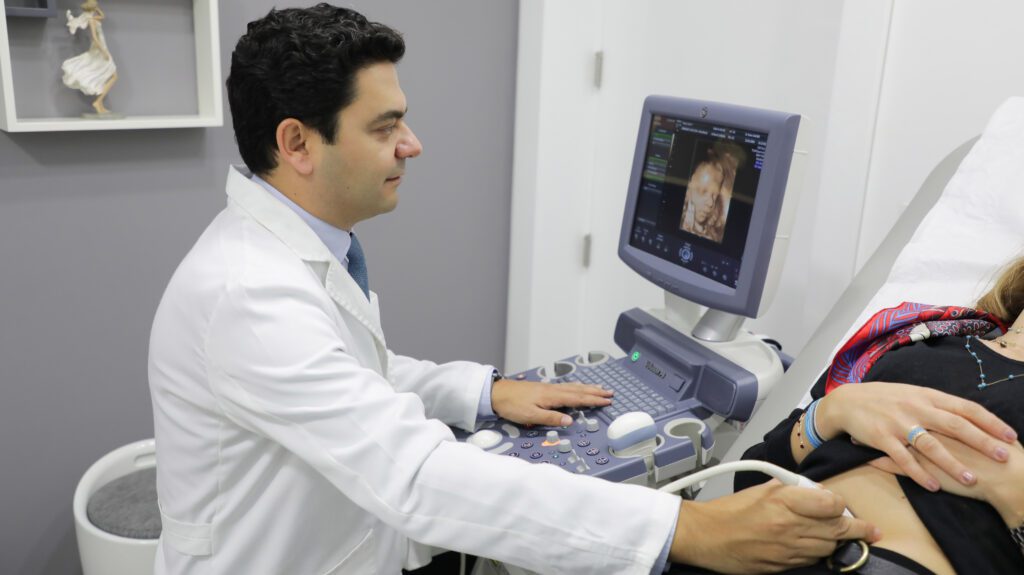
Finding the Best Infertility Specialist in Lebanon: Your Comprehensive Guide to Hope and Parenthood with Dr. Alain Daher I. Introduction: Navigating the Path to Parenthood in Lebanon The journey to parenthood is often filled with anticipation and joy, but for many couples, it can also present unforeseen challenges. Infertility, defined as the inability to conceive after a year of regular, unprotected intercourse, affects a significant number of individuals and couples worldwide, with estimates suggesting it impacts up to 1 in 6 people. This experience can be emotionally and physically demanding, underscoring the critical importance of seeking specialized care from a compassionate and highly skilled fertility expert. Navigating the complexities of reproductive health requires not just medical proficiency but also a deep understanding of the patient’s emotional needs. This is where the role of a dedicated and empathetic infertility specialist becomes paramount. Such an expert provides not only cutting-edge medical treatments but also the crucial support and guidance necessary throughout what can be a sensitive and vulnerable period. This report delves into the comprehensive approach to infertility, emphasizing the role of the best infertility doctor in Lebanon, Dr. Alain Daher, a distinguished specialist in infertility, obstetrics, and IVF. His commitment to women’s health and comprehensive care has established him as a leading figure in the field, offering a beacon of hope for those aspiring to build their families. The profound emotional distress often experienced by individuals facing infertility highlights that the selection of a medical professional extends beyond mere clinical competence. An expert who prioritizes empathetic communication and provides holistic support, as Dr. Alain Daher is known to do, becomes the best infertility specialist not solely based on technical skills but also on the ability to address the patient’s emotional well-being. This emphasis on bedside manner and positive patient experiences, alongside medical expertise, is a crucial differentiator. In a competitive healthcare landscape like Lebanon, where various clinics offer fertility services, the patient experience and the emotional support provided are significant factors influencing patient choice and positive feedback, thereby contributing to a strong, lasting reputation and organic growth beyond direct search engine optimization efforts. II. Understanding Infertility: Causes, Symptoms, and When to Seek Expert Help Understanding the underlying factors contributing to infertility is the first step toward effective treatment. Infertility can stem from a multitude of causes affecting either partner or a combination of both. What are the Causes of Infertility? Female infertility is frequently linked to ovulation disorders, which disrupt the monthly release of an egg from the ovaries. Common culprits include Polycystic Ovary Syndrome (PCOS), thyroid imbalances (both overactive and underactive thyroid glands), and premature ovarian failure, where the ovaries cease functioning before the age of 40. Beyond ovulation, structural abnormalities of the reproductive system can impede conception. These include endometriosis, a condition where tissue similar to the uterine lining grows outside the uterus, potentially damaging ovaries or fallopian tubes. Uterine fibroids, non-cancerous growths, can also interfere by blocking fallopian tubes or preventing a fertilized egg from implanting. Damage or blockage of the fallopian tubes, often a consequence of pelvic inflammatory disease (PID) caused by untreated sexually transmitted infections (STIs), or scarring from previous pelvic or cervical surgeries, can also be significant factors. Issues with cervical mucus, which normally thins during ovulation to aid sperm movement, can also make conception more difficult. Furthermore, certain medications, such as long-term use of NSAIDs or chemotherapy, and lifestyle factors like smoking, excessive alcohol consumption, substance abuse, and being significantly overweight or underweight, can adversely affect female fertility. Autoimmune conditions and genetic or chromosomal disorders may also play a role. Male factor infertility often involves issues with sperm production, quantity, or quality. Low sperm count (oligospermia), poor sperm motility (asthenospermia), or abnormal sperm morphology can all hinder fertilization. Conditions like enlarged veins in the scrotum (varicocele), undescended testicles, testicular infections, injuries, or previous surgeries can impact testicular function. Hormonal imbalances, such as low testosterone (hypogonadism) or issues with the brain’s hormone-producing centers, are also relevant. Genetic or chromosomal disorders, including Klinefelter syndrome, can contribute to male infertility. Similar to women, lifestyle choices such as smoking, excessive alcohol consumption, misuse of anabolic steroids, and exposure to environmental toxins (e.g., lead, pesticides) can significantly reduce sperm quality and production. Prior chemotherapy or radiation therapy, and even high heat exposure to the testicles, are also recognized risk factors. The extensive array of female and male infertility causes, encompassing lifestyle, medical conditions, and genetic factors, indicates that infertility is rarely a straightforward, single-factor issue. Instead, it frequently necessitates a holistic assessment of both partners. A truly effective and best infertility doctor does not merely address symptoms but meticulously investigates the full spectrum of potential contributing factors. This comprehensive diagnostic approach is vital, as it allows for a more precise and tailored treatment strategy. The overlap in risk factors, such as smoking, obesity, sexually transmitted infections, and chemotherapy, impacting both male and female fertility, further underscores the importance of a couple-centric diagnostic and treatment paradigm. This highlights the value of a clinic that offers comprehensive services for both partners, ensuring no potential cause is overlooked. Recognizing Infertility Symptoms The most apparent symptom of infertility is the inability to achieve pregnancy despite regular, unprotected intercourse. However, there can be other, more subtle indicators. For women, these may include irregular menstrual periods, absent periods, very painful periods, or unpredictable vaginal bleeding. These symptoms can suggest underlying ovulation problems or structural issues within the reproductive system. Men, on the other hand, might experience symptoms related to hormonal imbalances, such as changes in hair growth patterns or sexual function. While the absence of pregnancy is the primary sign, recognizing these additional symptoms can prompt earlier consultation with an infertility specialist . When to See an Infertility Specialist: Timelines and Considerations Knowing when to seek professional help is crucial for maximizing the chances of successful conception. General guidelines recommend: For women under 35 years old: Consult a fertility specialist after 12 months or more of trying to conceive through regular, unprotected intercourse. For
Best Gynecologist in Lebanon Revealed

Why Dr. Alain Daher Leads the Field in Women’s Health? When it comes to women’s health, there is absolutely no room for compromise. From routine check-ups to complex surgeries, a woman’s health journey requires not only advanced medical expertise but also a compassionate approach rooted in trust and transparency. In Lebanon, one name consistently rises above the rest in the field of gynecology: Dr. Alain Daher. Renowned for his holistic approach to women’s reproductive health and his mastery of cutting-edge medical technologies, Dr. Daher is widely regarded as the best gynecologist in Lebanon. Whether you are planning a pregnancy, managing fertility challenges, or undergoing preventive screenings for critical conditions like breast cancer, his practice is a safe haven of hope, healing, and high-level medical care. Meet Dr. Alain Daher: A Pioneer in Gynecology and Reproductive Health With over two decades of experience and a string of academic achievements, Dr. Alain Daher offers unmatched clinical competence. A graduate of Université Saint Joseph (USJ) in Beirut, he pursued further specialization in France, earning diplomas in: Infertility and IVF (Université Paris Descartes) Minimally Invasive and Laparoscopic Surgery (School of Surgery, Nancy) Breast Pathologies (University Paris VI, La Pitié Salpêtrière) Surgical Gynecology (Institut Curie) His dedication to education and continuous medical advancement allows him to deliver world-class care tailored to the needs of each individual patient. A Compassionate Approach That Sets Him Apart What truly distinguishes Dr. Daher is not just his knowledge but his human-centered approach. Patients often describe him as someone who listens attentively, explains procedures with clarity, and supports them emotionally during what can be deeply personal and sometimes distressing health experiences. One patient testimonial reads: “He is a rare gem in the medical field. Not only is he technically gifted, but he treats you like family. He guided me through IVF and helped me conceive after years of heartbreak.” — Layla M., Beirut These stories are not uncommon. They’re a testament to why he is celebrated as the best gynecologist in Lebanon by so many women across Lebanon and beyond. Advanced Laparoscopic Surgeon Pioneering Minimally Invasive Techniques One of Dr. Daher’s defining strengths is his proficiency in advanced laparoscopic surgery, a minimally invasive approach that involves small incisions, faster recovery, and fewer complications. This method is used for a wide variety of gynecological procedures, such as: Endometriosis treatment Ovarian cyst removal Fibroid excision Hysterectomy His minimally invasive technique significantly reduces hospital stays and allows patients to resume daily life sooner, with far less discomfort and scarring. Dr. Daher is recognized among the top Advanced Laparoscopic Surgeons in the Middle East. His surgical skills are regularly sought after not just for treatment but also for training purposes by younger gynecologists in Lebanon and France. Fertility Solutions from an Expert Infertility Specialist Infertility can be a painful journey for couples hoping to conceive. At his clinic in Achrafieh, Dr. Daher offers a full suite of fertility treatments, including: Hormonal assessments Ovulation tracking Intrauterine Insemination (IUI) IVF Treatment Genetic testing As a highly regarded Infertility Specialist, he takes a meticulous approach to diagnosis and tailors every treatment plan to the patient’s hormonal profile, age, and medical history. His use of the latest assisted reproductive technologies has helped countless couples achieve their dream of becoming parents. Whether it’s your first round of IVF or you’re seeking a second opinion, you’re in expert hands. IVF Treatment Tailored to Your Needs IVF (In Vitro Fertilization) is one of the most revolutionary breakthroughs in reproductive medicine. But the success of the procedure depends heavily on the precision and personalization of the treatment. That’s where Dr. Daher excels. His IVF protocols are designed with minimal hormonal burden while maximizing egg quality and implantation success. His close monitoring of every stage from ovarian stimulation to embryo transfer ensures optimal outcomes. Dr. Daher’s IVF success rates are among the highest in Lebanon, thanks to his advanced lab partnerships and world-class embryology team. For many, he isn’t just an IVF doctor he’s a dream-maker. Egg Freezing Giving Women Reproductive Freedom In an era where many women are choosing to delay childbirth due to career, health, or personal reasons, egg freezing has emerged as an empowering option. Dr. Alain Daher offers state-of-the-art egg freezing services using vitrification, a process that safely preserves eggs at sub-zero temperatures for years. He works closely with each patient to evaluate ovarian reserve and optimize timing for egg retrieval. Women with conditions such as PCOS or undergoing chemotherapy can also benefit from this fertility-preserving option. Egg freezing isn’t just science it’s peace of mind. And with Dr. Daher guiding the way, you can make these deeply personal decisions with full confidence. Breast Cancer Surgery Precision, Prevention, and Compassion Early detection of breast cancer saves lives. As a certified Breast Cancer Surgeon, Dr. Daher is committed to both treatment and prevention. He provides: Annual echography and mammography BRCA gene testing for high-risk patients Lumpectomy and mastectomy procedures Post-operative follow-ups and psychological support His holistic care doesn’t stop at the operating table. He works in partnership with oncologists, plastic surgeons, and counselors to ensure that every patient receives comprehensive, integrated care. Personalized Women’s Health Services Beyond surgeries and reproductive health, Dr. Daher’s practice covers a broad spectrum of women’s wellness, including: Pap smears and HPV testing Prenatal and postnatal care Menopause management Urogynecology Hormonal therapy Each service is customized to meet the specific life stage and health goals of his patients. A Clinic Built on Trust and Technology Dr. Daher’s clinic in Achrafieh, Beirut, is equipped with advanced diagnostic tools and offers a serene, private environment. Every aspect of the facility from the welcoming reception to the state-of-the-art procedure rooms is designed for comfort, safety, and confidentiality. With high patient satisfaction ratings and thousands of successful procedures, the clinic reflects Dr. Daher’s vision of world-class gynecology in the heart of Lebanon. Global Patient Base Trusted Beyond Borders Many patients from the Middle East, Europe, and Africa travel to Lebanon specifically to consult with Dr. Daher. His multilingual skills and
Egg Freezing: 5 Reasons to Consider This Life-Changing Option

Egg Freezing: Benefits, Procedures, and What to Expect Introduction Egg freezing, also known as oocyte cryopreservation, has revolutionized family planning for women across the globe. This innovative fertility preservation technique allows women to extend their reproductive timeline by freezing their eggs during their most fertile years for potential future use. As more women delay childbearing to pursue education, career goals, or await the right partner, egg freezing has emerged as a powerful option that provides greater reproductive autonomy and choice. The decision to pursue egg freezing is deeply personal and often influenced by various factors including age, relationship status, career demands, and medical conditions. Whether you’re considering egg freezing for medical reasons or as a proactive approach to family planning, understanding the benefits, procedures, and expectations is crucial. This comprehensive guide will walk you through everything you need to know about the egg freezing process, from initial consultation to post-procedure care, helping you make an informed decision about your reproductive future. What is Egg Freezing? Egg freezing is a medical procedure that involves harvesting eggs from a woman’s ovaries, freezing them in a laboratory, and storing them for potential future use. The scientific term for this process is oocyte cryopreservation, which literally means preserving eggs at extremely low temperatures. During a woman’s reproductive years, particularly in her 20s and early 30s, her eggs are typically healthier and more viable. By freezing eggs during this optimal period, women can essentially “pause the biological clock” on their eggs, preserving them in their current state for future use. When a woman is ready to use her frozen eggs, they can be thawed, fertilized with sperm in a laboratory through a process called in vitro fertilization (IVF), and the resulting embryos can be transferred to her uterus. The egg freezing process involves several stages: Consultation and Testing: Initial assessment of ovarian reserve and overall health Ovarian Stimulation: Hormone injections to stimulate the ovaries to produce multiple eggs Egg Retrieval: A minor surgical procedure to collect the eggs Freezing: Vitrification (flash-freezing) of the collected eggs Storage: Long-term preservation of the eggs in specialized facilities Benefits of Egg Freezing Preserving Fertility for Medical Reasons One of the primary benefits of egg freezing is for women facing medical treatments that may compromise their fertility. Treatments such as chemotherapy, radiation, or certain surgeries can potentially damage the ovaries and affect egg quality and quantity. For these women, egg preservation through freezing offers hope and the possibility of having biological children after recovery. Cancer treatments, in particular, can be devastating to fertility. By freezing eggs before beginning cancer treatment, women can significantly increase their chances of having biological children later. This application of egg freezing technology has been transformative for many cancer survivors who might otherwise have lost the ability to have genetic offspring. Extended Reproductive Timeline For women not yet ready to start a family, the egg freezing process provides the opportunity to extend their fertile years. While natural fertility begins to decline in a woman’s early 30s and drops more significantly after 35, frozen eggs remain at the quality they were when harvested. This means a woman who freezes her eggs at 32 can potentially have the same chance of pregnancy with those eggs when she’s 42 as she would have had at 32 using fresh eggs. The ability to preserve fertility while pursuing educational or career goals has been particularly valuable for many professional women. It reduces the pressure to choose between career advancement and family planning within a limited timeframe. Greater Control and Reduced Pressure Egg freezing offers women more control over their reproductive timeline, reducing the pressure to find a partner or start a family before they’re ready. This freedom from the “biological clock” can allow for more authentic relationship development and life choices without the constant anxiety about diminishing fertility. Many women report that after completing the egg freezing process, they feel a sense of relief and empowerment. Having a “backup plan” allows them to approach other life decisions with greater confidence and less reproductive pressure. Increased Pregnancy Success in Later Years Using eggs that were frozen during a woman’s more fertile years can significantly increase the chances of successful pregnancy in her late 30s or 40s compared to using eggs that have aged along with her. This is because egg quality naturally declines with age, increasing the risk of chromosomal abnormalities and decreasing implantation rates. Statistics show that while the success rate of IVF with fresh eggs drops dramatically after age 35, the success rate using eggs frozen at a younger age remains relatively stable, reflecting the age at which the eggs were frozen rather than the woman’s current age. Who Should Consider Egg Freezing? Age Considerations and Egg Freezing Age Limit While there’s technically no strict upper egg freezing age limit, most fertility specialists recommend freezing eggs before age 35 for optimal results. The quality and quantity of eggs begin to decline in a woman’s early 30s, with a more significant drop after 35. Women between 25-35 years old typically have the best outcomes in terms of egg quality and quantity retrieved. That said, egg freezing can still be beneficial for women in their late 30s or early 40s, though they may need multiple cycles to retrieve an adequate number of eggs and should have realistic expectations about success rates. Most clinics have an upper age limit of around 40-45 years for egg freezing procedures, based on diminishing returns beyond this age. Medical Indications Women diagnosed with conditions that may affect fertility should consider egg freezing as early as possible. These conditions include: Cancer requiring chemotherapy or radiation Autoimmune disorders requiring treatments that could affect fertility Endometriosis Primary ovarian insufficiency Need for ovarian surgery Genetic conditions that may cause premature ovarian failure For these women, egg preservation through freezing may be their best option for having biological children in the future. Personal Circumstances Beyond medical reasons, many women choose egg freezing for social or personal reasons: Pursuing educational or career
