


Laparoscopic Surgery: 8 Proven Wins for Life-Changing Relief

Benefits of Laparoscopic Surgery: 8 Essential Success Wins Choosing surgery is never just about the procedure it’s about recovery time, safety, long-term outcomes, and how quickly you can return to real life. In women’s health, laparoscopic techniques (often called minimally invasive or “keyhole” surgery) have transformed how many gynecologic problems are diagnosed and treated, largely because smaller incisions can mean less tissue trauma, less pain, and faster recovery for many patients. This blog post is written for patients and families in Lebanon who are comparing options and wondering whether laparoscopy is the right approach. It is also designed as an educational resource for a specialist gynecologist’s website specifically for Dr. Alain Daher so it focuses on real patient questions, local search intent, and evidence-based answers. If you searched the exact phrase “benefits of laparoscopic surgery,” you’re likely trying to understand what you gain (and what you still need to plan for) when you choose small-incision surgery instead of a larger open incision. This guide explains the benefits of laparoscopic surgery in a practical, patient-friendly way while also being honest about when open surgery is the safer choice. Medical note: This article shares general educational information and does not replace a personalized consultation, exam, or medical advice. Individual risks and recovery vary by diagnosis, surgical complexity, and overall health. Why this topic matters for patients in Lebanon and Beirut In Beirut and across Lebanon, many gynecology patients are balancing recovery with work, childcare, and family responsibilities. That’s why questions about pain, scarring, and “how soon can I function again?” often come up before the first consultation. These concerns align closely with the benefits of laparoscopic surgery, because laparoscopy is designed to reduce the size of the surgical wound while still allowing the surgeon to perform precise internal work. You’ll also see highly specific searches like “Laparoscopy Recovery Timeline Lebanon,” “Outpatient Laparoscopic Procedures Beirut,” and “Minimally Invasive Gynecology Beirut.” These searches usually mean someone is trying to estimate leave from work, travel needs, and the level of support they may need at home in the first few days while also trying to locate a trusted clinic and an Advanced Laparoscopic Surgeon Beirut who can deliver the procedure safely. From a high-level evidence perspective, many comparisons between minimally invasive and open approaches show advantages that matter to daily life: less post-operative pain, fewer wound infections in many settings, reduced hospital stay, and earlier return to activities while recognizing that (for some patients and conditions) open surgery is the appropriate or safer approach. For local trust and authenticity: Dr. Alain Daher is an obstetrics and gynecology specialist in Lebanon whose practice includes infertility, IVF, minimally invasive gynecologic surgery (laparoscopic and robotic), breast surgery, and urogynecology, and whose site lists a clinic location in Achrafieh. Public profiles (for example, at Bellevue Medical Center) list credentials that include a specialty diploma at Saint Joseph University in Beirut, a university diploma in minimally invasive surgery (laparoscopy/robotic) at Université Paris Descartes, and fellowships in IVF and breast/pelvic surgery in France (including Institut Curie). Finally, it’s important to define the goal correctly. The benefits of laparoscopic surgery are not “cosmetic only.” Smaller incisions can be a visible result, but the deeper goal is reduced trauma, reduced infection opportunities at the wound site, and a smoother path back to daily activities when laparoscopy is appropriate for the diagnosis. What laparoscopic surgery is and how it works Laparoscopy is a surgical approach in which a thin camera (laparoscope) and specialized instruments are inserted through small incisions, rather than one large incision. This is why it’s commonly described as minimally invasive surgery or keyhole surgery. On Dr. Alain Daher’s website, laparoscopic surgery is described in practical terms: several small incisions are typically used (often around 0.5 to 1.5 cm), with a camera providing magnified visualization while instruments perform the procedure. The same page lists core patient-facing benefits such as reduced post-operative pain, minimal scarring, shorter hospital stay, faster return to activities, and lower risk of infection/complications. From a patient perspective, the Keyhole Surgery Advantages for Patients are easiest to understand as a chain reaction: A smaller cut usually means less disruption of skin, muscle, and nerves → this can mean less pain and fewer wound issues → which can translate into earlier mobilization and earlier return to normal activities for many people. That “chain reaction” is the heart of the benefits of laparoscopic surgery and it is also why many people search for “Reduced Post-Operative Pain in Laparoscopy,” “Minimal Scarring Surgery Lebanon,” and “Lower Risk of Infection with Laparoscopy.” In gynecology, laparoscopy may be used for diagnosis (for example, evaluating infertility or pelvic pain) and for treatment (for example, removing cysts, treating endometriosis, removing fibroids, or performing hysterectomy in selected cases). MedlinePlus, from the National Institutes of Health, also notes that laparoscopy can sometimes shift from diagnosis to treatment within the same procedure depending on what is found. To keep expectations realistic, it matters to say clearly: laparoscopy is a major surgery even when the incisions are small. It has benefits, but it also has real risks (bleeding, infection, organ injury, anesthesia complications, etc.), and sometimes a procedure must be converted to an open approach to keep the patient safe. The eight essential success wins Below are eight “wins” that patients commonly experience when laparoscopy is the right approach for their condition. Each win is based on the consistent themes across patient-education sources and surgical safety literature. Win 1: Smaller incisions can mean less tissue trauma and a more comfortable early recovery. One of the most consistent benefits of laparoscopic surgery is reduced trauma to the abdominal wall compared with an open incision. Cleveland Clinic summarizes advantages that include less trauma, smaller scars, less pain during healing, and faster return to usual activities. This is also a primary driver behind searches for Keyhole Surgery Advantages for Patients: people are seeking the practical meaning of “small cuts” (movement, sleep, daily comfort, and confidence). Win 2: Reduced post-operative pain and lower reliance on
Deep Infiltrating Endometriosis Specialist Lebanon: Relief

Deep Infiltrating Endometriosis Specialist Lebanon | Dr. Alain Daher Endometriosis is often described as a “hidden” disease, but for those suffering from its most severe form, the impact is impossible to ignore. Deep Infiltrating Endometriosis (DIE) represents the most aggressive stage of the condition, where endometrial-like tissue penetrates more than five millimeters beneath the peritoneal surface, often invading the muscular walls of pelvic organs. For women in the Middle East seeking answers, finding a Deep Infiltrating Endometriosis Specialist Lebanon is the first step toward reclaiming a life free from systemic pain. Navigating the complexities of DIE requires more than just general gynecological knowledge; it demands a surgeon who specializes in the “radical” yet “conservative” excision of diseased tissue. Dr. Alain Daher, with his extensive international training and focus on minimally invasive techniques, has established himself as a leading Deep Infiltrating Endometriosis Specialist Lebanon. His approach balances the thorough removal of lesions with the preservation of organ function and fertility, ensuring that patients receive world-class care right here in Beirut. This guide provides a comprehensive look at the diagnosis, the surgical challenges, and the path to recovery for those dealing with deep-seated disease. Understanding the Complexity of DIE Deep Infiltrating Endometriosis is not merely “bad cramps.” It is a multi-system disease that can involve the bowel, bladder, ureters, and even the nerves of the pelvic floor. Because of this, the Diagnosis of deep infiltrating endometriosis Beirut can be a long and frustrating journey. Many women are misdiagnosed for years with irritable bowel syndrome (IBS) or chronic urinary tract infections before the true culprit is identified. An Advanced laparoscopic surgeon Beirut endometriosis expert understands that DIE requires a different diagnostic lens. While standard ultrasounds often miss superficial implants, specialized “mapping” techniques such as deep endometriosis-specific transvaginal ultrasound or MRI are essential. A precise Diagnosis of deep infiltrating endometriosis Beirut allows the surgical team to plan for the involvement of other organs, ensuring that the patient is fully prepared for the complexity of the procedure. For many women, the Chronic pelvic pain relief for severe endo they have sought through hormones or painkillers has been insufficient. This is because these medications only suppress the symptoms of superficial disease; they cannot penetrate the thick, fibrotic nodules characteristic of DIE. To achieve true Chronic pelvic pain relief for severe endo, surgical excision of the infiltrating nodules is the only definitive option. Recognizing the Symptoms of Stage 4 Endometriosis Surgery Endometriosis is staged from I to IV, with Stage IV representing the most extensive disease, often involving deep infiltration and significant scar tissue. Understanding the Symptoms of stage 4 endometriosis surgery is vital for determining the urgency of intervention. Functional Impacts on Pelvic Organs The Symptoms of stage 4 endometriosis surgery often extend beyond the menstrual cycle. Patients may experience: Severe pain during bowel movements (dyschezia). Cyclical urinary symptoms, such as urgency or pain. Deep dyspareunia (pain during intercourse) that feels “internal.” Chronic, non-cyclical pelvic pain that radiates to the legs or lower back. When these Symptoms of stage 4 endometriosis surgery are present, it often indicates that the disease has progressed to the point of organ involvement. For such patients, Chronic pelvic pain relief for severe endo is not just a goal; it is a necessity for maintaining long-term health. Dr. Alain Daher emphasizes that waiting too long to address these symptoms can lead to irreversible organ damage, such as kidney dysfunction or bowel obstruction. Surgical Excellence: Bowel and Bladder Endometriosis Surgical Excision The hallmark of a true Deep Infiltrating Endometriosis Specialist Lebanon is the ability to perform Bowel and bladder endometriosis surgical excision safely. When the disease penetrates the intestinal wall or the bladder muscle, a standard gynecologist may not be equipped to handle the repair. Targeting the Digestive and Urinary Tract Bowel and bladder endometriosis surgical excision can take several forms. For the bowel, this may involve “shaving” the lesion off the surface, a “discoid resection” (removing a small circle of the bowel wall), or a “segmental resection” (removing a section of the bowel and reconnecting it). Similarly, Bowel and bladder endometriosis surgical excision for the bladder requires the careful removal of the nodule while protecting the delicate lining of the organ. This is Specialized gynecologic surgery for severe endometriosis at its most complex. It requires a surgeon who is comfortable operating in “no-man’s land” the spaces between the major organs where the disease likes to hide. Dr. Alain Daher utilizes his background in oncological and minimally invasive surgery to ensure that Specialized gynecologic surgery for severe endometriosis is performed with the highest safety standards, aiming for a radical cure while avoiding the need for permanent stomas or urinary catheters. Advanced Techniques: Ureterolysis and Nodule Removal One of the most dangerous aspects of DIE is its tendency to involve the ureters the tubes that carry urine from the kidneys to the bladder. If these tubes are compressed by endometriosis or scar tissue, it can lead to “silent” kidney failure. This makes Ureterolysis for endometriosis treatment Lebanon a critical component of the surgical plan. Protecting Vital Structures Ureterolysis for endometriosis treatment Lebanon involves the delicate process of freeing the ureter from surrounding adhesions. It requires the steady hand of an Advanced laparoscopic surgeon Beirut endometriosis specialist who can navigate the retroperitoneal space. By performing Ureterolysis for endometriosis treatment Lebanon, the surgeon restores the flow of urine and prevents long-term renal complications. Similarly, Endometriosis nodule removal from pelvic organs must be handled with extreme care. These nodules are often “rock-hard” and tethered to major nerves or blood vessels. Endometriosis nodule removal from pelvic organs requires meticulous dissection to ensure the disease is completely gone without causing nerve damage. Whether it is the uterosacral ligaments or the vagina, Endometriosis nodule removal from pelvic organs is a primary focus for Dr. Alain Daher, as these nodules are the main drivers of deep pelvic pain. Managing Severe Pelvic Adhesions Through Surgery In Stage IV disease, the pelvis is often “frozen,” meaning the uterus, ovaries, and bowel are
Endometriosis Surgery and Fertility: Proven Success

Endometriosis Surgery and Fertility: 5 Keys to Success For many women, the diagnosis of endometriosis is not just a source of chronic pain, but a significant psychological burden regarding their future as mothers. It is estimated that up to 50% of women with infertility also suffer from this condition. Therefore, understanding the delicate link between Endometriosis Surgery and Fertility is the most important step for any patient hoping to conceive. In Lebanon, patients are increasingly seeking advanced solutions that do not force them to choose between pain relief and reproductive health. Dr. Alain Daher, a specialist with international credentials in both fertility and minimally invasive surgery, has pioneered a “fertility-first” surgical philosophy. By focusing on Fertility Sparing Endometriosis Surgery Lebanon, Dr. Daher ensures that the goal of every procedure is not just the removal of disease, but the restoration of the body’s natural potential to create life. This comprehensive guide explores the 5 keys to achieving your dream of motherhood while managing a complex diagnosis through the lens of modern science and surgical excellence. Key 1: Unmasking the Silent Barrier One of the most frustrating aspects of reproductive health is the “unexplained” diagnosis. Many couples spend years undergoing basic fertility treatments without success, unaware that a hidden condition is sabotaging their efforts. This is the realm of Silent Endometriosis and Unexplained Infertility. The Hidden Impact on Conception Endometriosis doesn’t always cause debilitating pain. For some women, the only symptom is the inability to get pregnant. In cases of Silent Endometriosis and Unexplained Infertility, the disease creates a “toxic” inflammatory environment in the pelvis that can damage egg quality, interfere with the movement of the fallopian tubes, and prevent an embryo from implanting in the uterus. When you work with an Infertility Specialist Beirut Endometriosis Care professional like Dr. Alain Daher, the diagnostic process is thorough. If a patient presents with Silent Endometriosis and Unexplained Infertility, a diagnostic laparoscopy may be the key to unlocking the mystery. Identifying and removing these silent lesions is often the catalyst that turns years of failure into a positive pregnancy test. Key 2: The Gold Standard of Surgical Technique The success of your reproductive journey depends entirely on how the surgery is performed. When discussing Endometriosis Surgery and Fertility, the technique used to remove the disease is the primary predictor of future pregnancy success. Natural Conception After Laparoscopic Excision There are two main ways to handle endometriosis: ablation (burning the surface) or excision (cutting it out from the root). For patients hoping for Natural Conception After Laparoscopic Excision, the choice must be excision. Burning the surface often leaves active disease underneath, which continues to produce inflammatory chemicals that prevent pregnancy. By choosing Fertility Sparing Endometriosis Surgery Lebanon, you are ensuring that the surgeon uses high-definition cameras to identify and excise every speck of the disease. Natural Conception After Laparoscopic Excision is significantly more likely when the pelvic environment is fully cleared of inflammatory tissue. This restorative approach is a cornerstone of the care provided by Dr. Alain Daher, who utilizes his French surgical training to ensure the highest degree of precision. Furthermore, for women who have suffered from tubal factors, Laparoscopic Surgery for Blocked Fallopian Tubes can often be performed in the same session. By clearing adhesions and performing Laparoscopic Surgery for Blocked Fallopian Tubes, the surgeon restores the mechanical pathway necessary for the egg and sperm to meet. Key 3: Protecting the Ovarian Reserve Perhaps the most sensitive area of Endometriosis Surgery and Fertility involves the ovaries. When endometriosis forms a cyst on the ovary (an endometrioma), the surgical approach must be extremely delicate. Endometrioma Removal and Ovarian Reserve The “ovarian reserve” refers to the quantity and quality of a woman’s eggs. A poorly performed surgery can accidentally remove healthy ovarian tissue, leading to a permanent drop in fertility. This is why the conversation regarding Endometrioma Removal and Ovarian Reserve must be a priority during your pre-operative consultation. Instead of simply draining the cyst or burning the cyst wall, an Infertility Specialist Beirut Endometriosis Care expert will use a technique called “stripping” to carefully peel the cyst wall away. This Ovarian Cystectomy and Fertility Protection method ensures that the disease is removed while the precious eggs are left unharmed. The goal of Ovarian Cystectomy and Fertility Protection is to stop the cyst from recurring while maintaining the highest possible egg count. Dr. Alain Daher emphasizes that Endometrioma Removal and Ovarian Reserve are not mutually exclusive; with the right surgical finesse, you can achieve both disease clearance and fertility preservation. Protecting the ovaries through meticulous Ovarian Cystectomy and Fertility Protection is what separates a generalist from a true sub-specialist. Key 4: Preparing for Advanced Reproduction (IVF) In many cases, surgery is not the “end” of the fertility journey, but a necessary preparation for assisted reproductive technologies. Understanding the Surgical Management of Endometriosis for IVF is vital for patients with Stage III or IV disease. Optimizing IVF Success Rates After Endometriosis Surgery Research has shown that the presence of active endometriosis, especially large endometriomas, can negatively impact the success of an IVF cycle. This is where the Surgical Management of Endometriosis for IVF comes into play. By removing large cysts and cleaning the pelvic cavity, the surgeon makes it easier for the fertility specialist to retrieve eggs and improves the uterine environment for embryo transfer. The IVF Success Rates After Endometriosis Surgery are notably higher than in patients who attempt IVF with untreated disease. For patients with complex, deep-seated lesions, Pregnancy Outcomes After Deep Infiltrating Endometriosis Surgery are also greatly improved when the disease is excised before starting an IVF protocol. Dr. Alain Daher provides an integrated approach to Surgical Management of Endometriosis for IVF, ensuring that the timing of the surgery and the subsequent stimulation cycle are perfectly synchronized. This synergy is the reason why IVF Success Rates After Endometriosis Surgery at leading clinics in Lebanon are among the best in the region. Whether you are dealing with superficial implants or looking for improved
Endometriosis Surgery Recovery: Powerful Fast-Healing Tips

Endometriosis Surgery Recovery: 6 Secrets to Fast Healing The moment you wake up from surgery, a new chapter begins. For many women in Lebanon and across the Middle East, the decision to undergo excision for endometriosis is the culmination of years of searching for answers. However, the successful removal of the disease is only half of the equation; the other half is a well-managed Endometriosis Surgery Recovery. How you treat your body in the weeks following your procedure will dictate the quality of your results and how quickly you can return to the life you love. In the specialized practice of Dr. Alain Daher, the surgical procedure is viewed as a partnership. While the surgeon provides the technical expertise to excise the disease, the patient provides the environment for healing. As a leading specialist in minimally invasive and robotic gynecological surgery, Dr. Alain Daher emphasizes that the “secrets” to a fast recovery aren’t found in a pill bottle, but in a comprehensive, multidisciplinary approach to aftercare. This guide provides an exhaustive look at the Laparoscopy Recovery Timeline for Endometriosis, offering 6 essential secrets to optimize your healing and ensure you achieve the Long-term Pain Relief After Excision Surgery you deserve. Secret 1: Understanding the Laparoscopy Recovery Timeline for Endometriosis Knowledge is the best antidote to anxiety. One of the most common reasons patients feel overwhelmed during their Endometriosis Surgery Recovery is a lack of clear expectations. By understanding the Laparoscopy Recovery Timeline for Endometriosis, you can set realistic goals for your body. The First 48 Hours The immediate post-operative phase is dedicated to waking the body up from anesthesia. Because Dr. Daher utilizes minimally invasive techniques, most patients are encouraged to walk within hours of their procedure. During this time, the focus of Post-Operative Care After Endometriosis Excision is on pain control and monitoring for any immediate reactions. Days 3 to 7: The Inflammatory Peak Many patients expect to feel better every single day. However, it is common to experience a slight “dip” in energy and an increase in soreness around day three or four as the hospital medications fully leave the system. This is a normal part of the Laparoscopy Recovery Timeline for Endometriosis. During this week, rest is your primary job. Weeks 2 to 4: The Transition By the second week, most women are moving more freely. This is often when the urge to overdo it kicks in. However, internal healing takes longer than external skin healing. A consistent Laparoscopy Recovery Timeline for Endometriosis acknowledges that while you may look fine on the outside, your internal tissues are still remodeling. Secret 2: Mastering Post-Operative Care After Endometriosis Excision The success of your surgery is often solidified by the quality of your Post-Operative Care After Endometriosis Excision. This isn’t just about taking medicine; it’s about creating a sterile, supportive, and low-stress environment for your cells to regenerate. Wound Management and Hygiene The tiny incisions used in keyhole surgery require minimal but precise care. Proper Post-Operative Care After Endometriosis Excision involves keeping the sites dry and clean. You should avoid soaking in baths or pools until cleared by your surgeon. Dr. Alain Daher provides specific instructions on how to monitor your incisions for redness or discharge, ensuring that minor issues don’t become major setbacks. Scar Care for Minimally Invasive Gynecology Once the incisions have fully closed, usually around the 2-week mark, you can begin Scar Care for Minimally Invasive Gynecology. While the scars from laparoscopy are small, using silicone sheets or specialized Vitamin E oils can help them fade into nearly invisible lines. Scar Care for Minimally Invasive Gynecology is also about internal scar tissue; gentle movement prevents the formation of new adhesions, which is vital for maintaining the results of your surgery. By prioritizing Scar Care for Minimally Invasive Gynecology, you ensure that your body remains as aesthetically pleasing as it is healthy. Secret 3: Managing Physical Discomfort and Bloating The most frustrating physical symptom for many women is not the incision pain, but the internal pressure. Understanding the nuances of Pain Management After Robotic Endometriosis Surgery is key to a comfortable first week. The Gas Factor: Bloating and Gas Pain After Laparoscopy During surgery, the abdomen is inflated with carbon dioxide gas to give the surgeon a clear view. Residual gas can cause Bloating and Gas Pain After Laparoscopy, which often radiates up to the shoulders. This pain can be sharper than the surgical pain itself. To manage Bloating and Gas Pain After Laparoscopy, the most effective remedy is gentle walking. Movement helps the body absorb and expel the gas. Additionally, using a heating pad on the shoulders and staying upright can provide relief. Understanding that Bloating and Gas Pain After Laparoscopy is a temporary byproduct of the “keyhole” approach helps patients stay patient during the first few days. The Pharmaceutical Strategy: Pain Management After Robotic Endometriosis Surgery Robotic surgery allows for extreme precision, which generally results in less trauma. However, a multi-modal approach to Pain Management After Robotic Endometriosis Surgery is still necessary. This typically involves a combination of anti-inflammatories and nerve stabilizers rather than relying solely on heavy opioids. By optimizing Pain Management After Robotic Endometriosis Surgery, we reduce the risk of constipation and nausea, which can further complicate the Endometriosis Surgery Recovery. Secret 4: Nutrition and Movement as Medicine Your body needs “building blocks” to repair the tissues that were operated on. This is where Dietary Recommendations Post-Endometriosis Surgery and Exercise After Endometriosis Surgery Guidelines become your best tools for fast healing. Fueling the Repair: Dietary Recommendations Post-Endometriosis Surgery The goal of Dietary Recommendations Post-Endometriosis Surgery is to reduce systemic inflammation and prevent constipation. High-fiber foods, such as leafy greens, berries, and whole grains, are essential. Staying hydrated is equally important; water helps flush the anesthesia from your system and keeps your digestion moving. Avoid heavy, processed foods that can increase gas. Many patients find that following specific Dietary Recommendations Post-Endometriosis Surgery, such as an anti-inflammatory or “low-FODMAP” approach for the first week, significantly
Endometriosis Surgery: Your Definitive Path to Relief
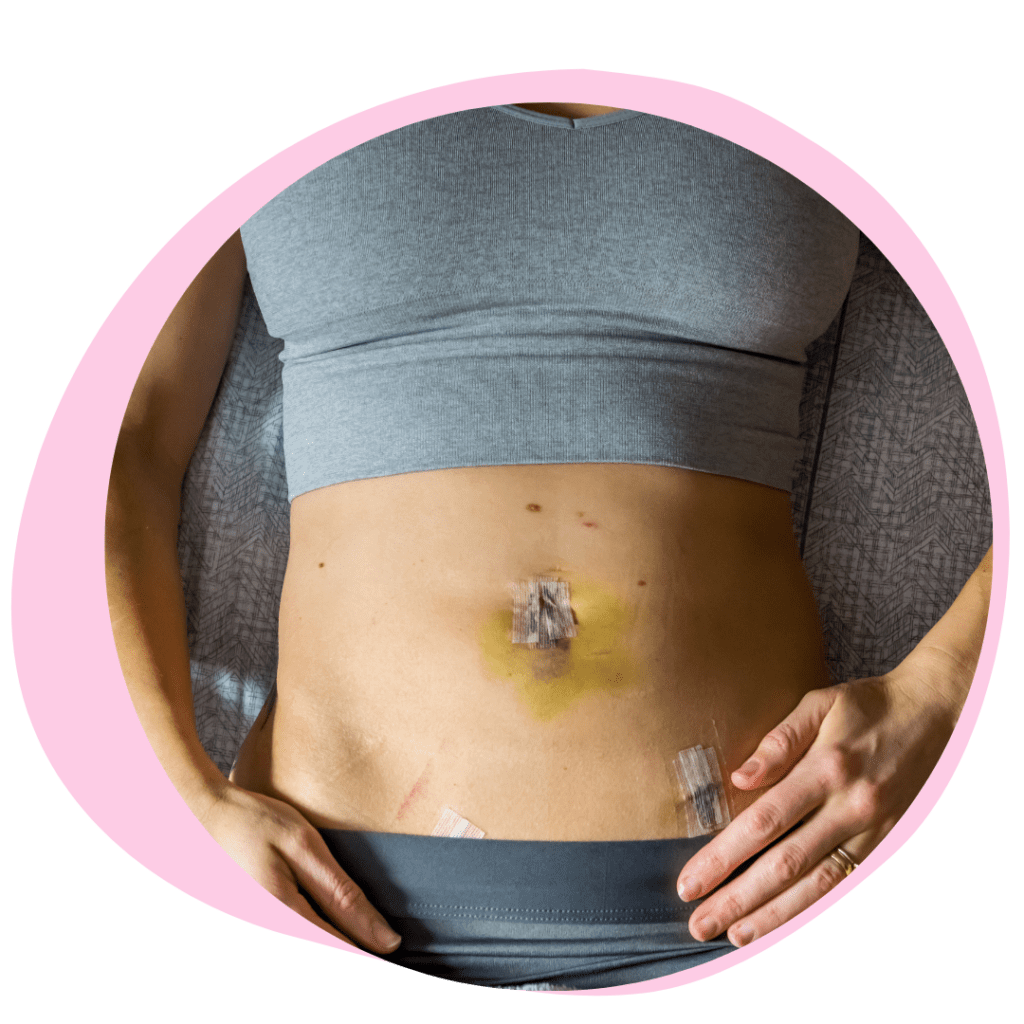
Endometriosis Surgery: The Crucial Excision Path to Definitive Relief Endometriosis is a chronic, painful condition affecting millions of women worldwide, causing suffering that ranges from debilitating menstrual cramps to infertility and chronic pelvic pain. For many, management involves hormones or painkillers, but for definitive, long-term relief, surgical intervention often becomes the necessary, pivotal step. Understanding the complexity of Endometriosis Surgery what it entails, why it is performed, and which method is superior is the first crucial step toward regaining a healthy, pain-free life. When this decision is made, the choice of physician becomes critical. Dr Alain Daher is a recognized specialist in minimally invasive gynecologic surgery, bringing specialized expertise in treating complex cases of endometriosis. His commitment is to guide patients through the entire process, ensuring they receive the most advanced and effective form of Surgery available. This comprehensive guide delves into everything you need to know about surgical options, focusing on the specialized technique that offers the best hope for lasting Endometriosis Pelvic Pain Relief: Excision. Defining the Need: What is Endometriosis Surgery? This Surgery is performed to remove endometrial-like tissue implants that have grown outside the uterus, causing inflammation, pain, and scar tissue (adhesions). This tissue, which behaves like the lining of the uterus by bleeding monthly, has no way to exit the body, leading to the formation of cysts and painful internal scarring. Why Is Surgery Necessary? The decision to proceed with Endometriosis Surgery is based on several key factors: Diagnosis and Staging: Often, Endometriosis Surgery (specifically laparoscopy) is the definitive way to diagnose the disease, as imaging techniques can miss subtle implants. It allows the surgeon to visualize, biopsy, and determine the extent (stage) of the disease. Intractable Pain: When medical treatments (like hormonal therapy) fail to control severe, chronic, or debilitating pain, surgery offers the most reliable pathway to Endometriosis Pelvic Pain Relief. Fertility Improvement: For women struggling with conception, Endometriosis and Infertility Treatment are frequently linked. Removing the implants and associated scar tissue can improve natural conception rates or optimize the success of assisted reproductive technologies like IVF. Organ Function Restoration: In severe cases, the disease, known as Deep Infiltrating Endometriosis Specialist, can affect organs like the bowel, bladder, or ureters, potentially obstructing their function. Endometriosis Surgery is essential to restore proper organ mechanics. The Gold Standard: Endometriosis Excision Surgery Lebanon The quality of Endometriosis Surgery is entirely dependent on the surgical technique used. Dr Alain Daher and leading international experts advocate for Endometriosis Excision Surgery Lebanon as the gold standard of care. This technique involves meticulously cutting out and removing the entire endometriotic lesion, including the roots of the disease, rather than simply burning the surface. Endometriosis Excision Surgery Lebanon requires specialized training, extensive experience, and often advanced techniques, distinguishing it from general gynecological procedures. Patients seeking comprehensive care in the region prioritize finding a center that consistently delivers this high standard of definitive removal. Excision vs. Ablation: The Crucial Difference The most important distinction any patient must understand when considering Endometriosis Surgery is the fundamental difference between excision and ablation. This choice dictates the likelihood of achieving long-term Endometriosis Pelvic Pain Relief and reducing the risk of recurrence. Endometriosis Excision vs Ablation: Why Excision Wins Excision (Cutting Out): This technique involves carefully dissecting the endometriotic lesion from the underlying healthy tissue (peritoneum, bowel, bladder) using sharp dissection. The entire lesion is removed, ensuring the disease’s “root” is taken out. This is the definitive treatment method for Endometriosis Surgery. Ablation (Burning/Coagulation): This technique uses heat (laser, electrocautery) to destroy or burn the surface of the lesions. Crucially, ablation often fails to reach the full depth of the disease, leaving residual tissue beneath the surface. This residual tissue can continue to cause pain and lead to earlier recurrence. The comparison of Endometriosis Excision vs Ablation overwhelmingly favors excision because endometriosis is an infiltrating disease. Ablation provides temporary relief but carries a higher risk of recurrent pain, which is why experts like Dr Alain Daher specialize in the more complex Endometriosis Excision Surgery Lebanon. When seeking definitive treatment, understanding the choice between Endometriosis Excision vs Ablation is paramount. Managing Endometrioma Cysts A specific type of lesion addressed in Endometriosis Surgery is the endometrioma, or “chocolate cyst,” found on the ovary. The method used to remove these cysts is also crucial. Endometrioma Cyst Excision is the recommended approach. This involves carefully peeling the cyst wall away from the healthy ovarian tissue. While challenging, Endometrioma Cyst Excision maximizes the removal of the disease while preserving the patient’s ovarian reserve (the number of healthy eggs). Conversely, simple drainage or burning the cyst wall (ablation) is associated with high recurrence rates and potential damage to healthy ovarian tissue. When performed correctly, Endometrioma Cyst Excision significantly improves the long-term prognosis for both pain and Endometriosis and Infertility Treatment. Advanced Techniques: Laparoscopic and Robotic Excellence Modern Endometriosis Surgery demands minimally invasive techniques, which offer patients faster recovery and less post-operative scarring. The choice between traditional open surgery and these advanced methods is simple: minimally invasive procedures are safer and yield better results. Laparoscopic Endometriosis Surgery Beirut: The Standard of Care This Surgery uses small incisions (typically 5 to 10 millimeters), a high-definition camera, and specialized long instruments to perform complex excision inside the abdomen. This approach offers significant advantages: Magnified Visualization: The camera provides a highly magnified view of the pelvic organs, allowing the surgeon to precisely identify and excise even tiny implants. Minimized Trauma: Smaller incisions lead to less blood loss, less post-operative pain, and a significantly faster Endometriosis Surgery Recovery Timeline. Local Expertise: Laparoscopic Endometriosis Surgery Beirut is a specialized procedure, and finding an expert proficient in this technique is vital for success. Dr Alain Daher is committed to utilizing this advanced, minimally invasive approach for the benefit of his patients, establishing the highest standard for Endometriosis Surgery. The Precision of Robotic Endometriosis Excision For the most complex cases, such as deep disease infiltration or recurrence, Robotic Endometriosis Excision offers an additional layer of precision. Robotic Endometriosis Excision
