



Mastectomy Lebanon: 5 Crucial Surgical Options for a Positive Outcome
The journey following a breast cancer diagnosis is often characterized by overwhelming choices, medical jargon, and emotional complexity. Among the most significant decisions a patient faces is the type of surgery. For women seeking the highest standard of care in the Middle East, understanding the options for Mastectomy lebanon and breast preservation is paramount.
In Lebanon, patients have access to world-class oncological care, and experts like Dr Alain Daher are pioneering modern, personalized surgical approaches. Dr Alain Daher is not just a surgeon; he is a specialist in both oncology and minimally invasive gynecologic surgery, bringing a holistic perspective to female health. His dual expertise is crucial when Choosing a breast cancer specialist who can seamlessly integrate cancer removal with immediate aesthetic reconstruction, ensuring that the patient’s recovery addresses both the disease and her identity.
This comprehensive guide breaks down the five crucial surgical paths available, detailing how these advanced options are reshaping the landscape of breast cancer surgical treatment Lebanon.
The Decision Point: Lumpectomy vs. Mastectomy
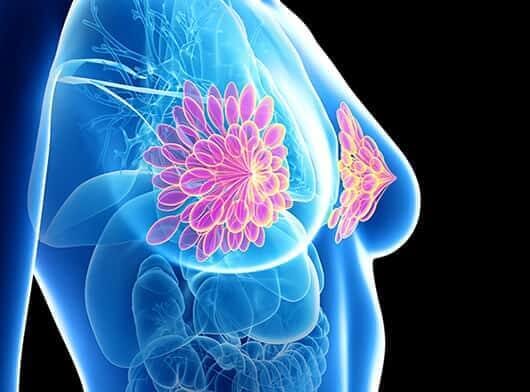 The initial decision often revolves around two primary surgical modalities: breast-conserving surgery (BCS) and mastectomy. This fundamental choice whether to save the breast or remove it is guided by tumor biology, size, location, and, critically, patient preference.
Breast Conserving Surgery (BCS): Achieving Oncological Safety
Breast-Conserving Surgery (BCS), often referred to as a lumpectomy, involves removing only the cancerous tumor and a small ring of healthy tissue (the margins) around it. The goal is simple: eliminate the cancer while preserving as much of the breast tissue as possible.
Historically, the safety of BCS was often questioned. However, extensive clinical trials spanning decades have confirmed that for patients with early-stage breast cancer, Breast Conserving Surgery (BCS) success followed by radiation therapy offers the same long-term survival rates as a complete mastectomy. This shift in understanding has placed a greater emphasis on personalized surgical planning.
The central challenge with BCS is maintaining an aesthetically pleasing result while achieving clear margins. This is where modern techniques shine. When comparing the pros and cons, considering Lumpectomy vs Mastectomy options often involves assessing the tumor-to-breast size ratio. If the tumor is large relative to the breast, a conventional lumpectomy may result in significant deformity.
Dr Alain Daher specializes in techniques that mitigate this risk. His expertise allows him to address complex resections while preserving the breast form. The ability to achieve high Breast Conserving Surgery (BCS) success is dependent not only on removing the tumor but also on the surgeon’s skill in managing the remaining breast tissue. This brings us directly to the role of specialized aesthetic techniques.
The Art of Oncoplastic Breast Surgery Beirut
For many patients, the choice is not simply Lumpectomy vs Mastectomy options, but rather the use of Oncoplastic Breast Surgery Beirut. This is a highly specialized approach that combines the principles of surgical oncology (complete cancer removal) with plastic surgery (reconstruction and reshaping) in a single operation.
When a tumor is large or awkwardly placed, a standard lumpectomy may be cosmetically inadequate. Oncoplastic Breast Surgery Beirut uses techniques borrowed from breast reduction or lift surgery to rearrange the remaining glandular tissue after tumor removal, filling the defect and ensuring the breast retains a natural, symmetric shape. In many cases, the opposite breast is also reshaped (symmetrization) to ensure the patient achieves the best possible aesthetic outcome. This technique minimizes the emotional and psychological impact of cancer surgery and significantly contributes to patient satisfaction and confidence during their Breast Cancer Surgery recovery time.
For women facing a choice between a total Mastectomy lebanon and a highly aesthetic breast conservation, Oncoplastic Breast Surgery Beirut offers a life-changing middle ground.
The Total Commitment: Modern Mastectomy Techniques
For some patients, a mastectomy remains the medically necessary or personally preferred choice. Reasons can include a large tumor size, multiple areas of cancer in the breast (multi-focal disease), previous radiation therapy, or the presence of specific genetic mutations (like BRCA1/2) that carry a high lifetime risk of recurrence.
The modern Mastectomy lebanon is vastly different from the radical procedures of the past. Today’s techniques prioritize minimal invasiveness and aesthetic preservation.
The Skin Sparing Mastectomy Procedure
The classic mastectomy involved removing the entire breast, including the nipple-areola complex and most of the overlying skin. Today, the standard evolution is the Skin Sparing Mastectomy procedure.
In the Skin Sparing Mastectomy procedure, the breast tissue itself is removed through a small, strategically placed incision, but the vast majority of the breast skin envelope is preserved. This acts as a biological “pocket” into which the reconstructive material (implant or tissue flap) can be placed immediately. The benefit of the Skin Sparing Mastectomy procedure is a superior aesthetic result, as the reconstructive breast looks more natural and less scarred.
This approach is routinely utilized by leading surgical oncologists like Dr Alain Daher and significantly simplifies the process of Immediate Breast Reconstruction options. It drastically reduces the complexity of reconstruction compared to working with limited or damaged skin.
Preserving Identity: Nipple Sparing Mastectomy (NSM)
The most advanced form of mastectomy offered for appropriate candidates is the Nipple Sparing Mastectomy (NSM). This delicate operation represents the pinnacle of combining oncological safety with aesthetic preservation.
In Nipple Sparing Mastectomy (NSM), the surgeon removes all the glandular tissue while preserving the entire skin envelope, including the nipple and areola. The breast tissue underneath the nipple is meticulously removed and sent for frozen section pathology to ensure no cancer cells are present in that area.
Nipple Sparing Mastectomy (NSM) is not suitable for all patients especially if the tumor is located close to the nipple or if there is inflammatory breast cancer but when applicable, it offers the most natural-looking result after reconstruction. It is one of the definitive Breast reconstruction surgery techniques that provides a more rapid psychological recovery, as the patient retains a core aspect of her pre-surgical body image.
This is a critical option when evaluating Lumpectomy vs Mastectomy options, as the cosmetic results of an Nipple Sparing Mastectomy (NSM) with reconstruction can often surpass those of a conventional lumpectomy with radiation, especially in larger breasts. The decision to perform a complex Mastectomy lebanon of this type requires the expertise of a highly trained Breast Cancer Surgeon Beirut who can manage the fine margins and the subsequent reconstruction step.
The Lymph Node Strategy: Staging and Safety
Breast cancer staging depends heavily on whether the disease has spread to the underarm (axillary) lymph nodes. The surgical strategy for the armpit is as crucial as the breast surgery itself, determining both the cancer stage and the risk of complications.
Minimizing Lymphedema: Sentinel Lymph Node Biopsy (SLNB)
Before the advent of targeted surgery, all patients undergoing a mastectomy or lumpectomy had a large number of axillary lymph nodes removed a procedure known as Axillary Lymph Node Dissection (ALND). This dramatically increased the risk of lymphedema (arm swelling).
Today, the standard of care is the Sentinel Lymph Node Biopsy (SLNB). The sentinel node is the first lymph node or small cluster of nodes to which cancer cells are most likely to spread from the primary tumor. In the Sentinel Lymph Node Biopsy (SLNB) procedure, a surgeon injects a blue dye and/or a radioactive tracer into the breast. This substance travels to the sentinel nodes, which are then identified and removed.
The primary benefit of the Sentinel Lymph Node Biopsy (SLNB) is that if these nodes are cancer-free, no further lymph nodes need to be removed. This avoids unnecessary dissection and massively reduces the chance of lymphedema, making the Breast Cancer Surgery recovery time faster and more comfortable. Dr Alain Daher ensures that Sentinel Lymph Node Biopsy (SLNB) is used whenever clinically appropriate, aligning his practice with the latest international guidelines to minimize patient morbidity.
Managing the Axillary Lymph Node Dissection Risks
In cases where the sentinel node test is positive for cancer, or if cancer is already confirmed in the lymph nodes before surgery, a full Axillary Lymph Node Dissection (ALND) may be required. This involves removing a larger group of lymph nodes from the armpit.
While life-saving, ALND carries significant Axillary Lymph Node Dissection risks, chiefly lymphedema. Lymphedema can cause chronic swelling, discomfort, and limited mobility in the arm. When considering Axillary Lymph Node Dissection risks, it is essential to work with a dedicated surgical team that incorporates preventative measures, such as immediate post-operative physiotherapy and specialized care.
Understanding the complexity of Axillary Lymph Node Dissection risks is part of Choosing a breast cancer specialist who practices in a multidisciplinary center. Such centers can coordinate between the surgical team, the physical therapist, and the medical oncologist to mitigate these risks and optimize the overall Breast Cancer Surgery recovery time for the patient.
Rebuilding and Restoring: Aesthetic Reconstruction
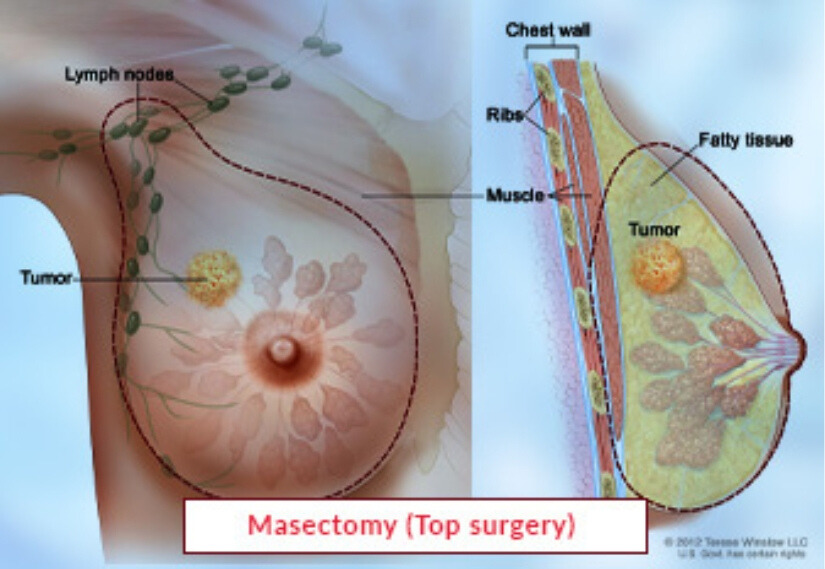 The removal of cancer is the primary goal, but the restoration of body image is crucial for a patient’s emotional healing and quality of life. The modern approach to Mastectomy lebanon almost always involves discussing Immediate Breast Reconstruction options.
The Power of Immediate Breast Reconstruction Options
Reconstruction can be performed immediately (at the same time as the mastectomy) or in a delayed fashion (months or years later). Most patients prefer Immediate Breast Reconstruction options, as it means waking up from the mastectomy without a significant visual change, minimizing the psychological impact of cancer.
Immediate Breast Reconstruction options fall into two main categories:
- Implant-Based Reconstruction: This is the most common method, using saline or silicone implants. It often involves a two-stage process: placement of a temporary tissue expander, which is gradually filled over weeks or months, followed by a second surgery to replace it with a permanent implant.
- Autologous (Flap) Reconstruction: This uses the patient’s own tissue (skin, fat, and sometimes muscle), usually taken from the abdomen (DIEP flap) or back (Latissimus Dorsi flap). This option offers a more natural, permanent result, but requires a longer Breast Cancer Surgery recovery time and is a more complex surgical undertaking.
The choice of Breast reconstruction surgery techniques implant or flap is deeply personal and depends on body type, lifestyle, desire for symmetry, and the need for post-operative radiation. Dr Alain Daher, working with specialized plastic surgery colleagues, meticulously plans the Immediate Breast Reconstruction options to ensure the best possible aesthetic and functional results in parallel with the oncological resection. This integrated approach defines a true multidisciplinary effort in breast cancer surgical treatment Lebanon.
Advanced Breast Reconstruction Surgery Techniques
The field of reconstruction is constantly evolving. Modern Breast reconstruction surgery techniques focus on minimizing scars and achieving superior naturalness.
For patients undergoing a Skin Sparing Mastectomy procedure or Nipple Sparing Mastectomy (NSM), the cosmetic results are often exceptional. Furthermore, advanced techniques such as Oncoplastic Breast Surgery Beirut are increasingly applied to reconstruction. This includes techniques like fat grafting (using the patient’s own fat to fill contour defects or smooth out the area around an implant) and pre-pectoral placement (placing the implant above the chest muscle), which can reduce pain and improve appearance.
Every patient considering a Mastectomy lebanon should have a thorough consultation with a Breast Cancer Surgeon Beirut who can explain all available Breast reconstruction surgery techniques and help them choose a path that honors both their health and their self-image.
The Path Forward: Expertise, Recovery, and Support
The success of breast cancer surgical treatment Lebanon is not measured solely by the absence of disease but by the patient’s full physical and psychological recovery. This requires a seamless combination of surgical precision, modern techniques, and dedicated aftercare.
Choosing a Breast Cancer Specialist Who Leads with Expertise
The decision of Choosing a breast cancer specialist is arguably the most critical step after diagnosis. You need a Breast Cancer Surgeon Beirut who offers more than just the ability to perform an operation; you need a partner who can navigate the nuances of modern oncology.
Dr Alain Daher is uniquely positioned due to his comprehensive training in gynecologic oncology, breast pathology, and minimally invasive surgery. This expertise ensures that whether the patient opts for BCS success using Oncoplastic Breast Surgery Beirut or a full Mastectomy lebanon with Immediate Breast Reconstruction options, the procedure is performed with the highest level of precision and aesthetic consideration.
When Choosing a breast cancer specialist, look for the following:
- Multidisciplinary Focus: The ability to work seamlessly with oncologists, radiologists, and plastic surgeons.
- Adoption of Latest Techniques: Proficiency in procedures like Nipple Sparing Mastectomy (NSM), Skin Sparing Mastectomy procedure, and Sentinel Lymph Node Biopsy (SLNB).
- Patient-Centered Philosophy: A commitment to transparency and compassion throughout the entire treatment, from diagnosis through recovery.
A consultation with Dr Alain Daher provides a clear, personalized roadmap that answers every concern, from the intricacies of Lumpectomy vs Mastectomy options to the long-term management of Axillary Lymph Node Dissection risks.
Understanding Your Breast Cancer Surgery Recovery Time
Recovery is a phase of healing that requires patience and support. The Breast Cancer Surgery recovery time varies significantly based on the type of procedure performed.
- Lumpectomy: Typically shorter, with patients returning to light activity within a week, though post-operative radiation must be factored into the overall treatment timeline.
- Mastectomy lebanon (without reconstruction): Generally 2–4 weeks for a return to normal activities.
- Mastectomy lebanon (with implant reconstruction): Similar initial recovery, but the full process, including tissue expansion and second stage surgery, can take several months.
- Flap Reconstruction: Requires the longest Breast Cancer Surgery recovery time, potentially 6–8 weeks, as two surgical sites (the breast and the tissue donor site, such as the abdomen) must heal.
Patients are typically encouraged to start specific arm exercises soon after surgery to prevent stiffness and reduce the risk of lymphedema. This proactive approach to managing the Axillary Lymph Node Dissection risks is essential for a complete return to form. The recovery plan should always be detailed by your Breast Cancer Surgeon Beirut before the procedure begins.
Conclusion: A New Era of Breast Cancer Surgical Treatment Lebanon
The landscape of breast cancer surgical treatment Lebanon has fundamentally transformed. Today, the focus is on a strategic, integrated approach where the removal of the tumor is balanced with the preservation of aesthetics and function. Whether the best path is a definitive Mastectomy lebanon with advanced reconstruction or a highly refined BCS success through Oncoplastic Breast Surgery Beirut, every patient deserves access to the leading techniques that offer the best chance for a positive long-term outcome.
The utilization of highly specialized procedures such as the Nipple Sparing Mastectomy (NSM), the precision of the Sentinel Lymph Node Biopsy (SLNB), and the availability of diverse Immediate Breast Reconstruction options underscores the commitment of specialists like Dr Alain Daher to comprehensive, patient-focused care. Dr Alain Daher ensures that when facing the choice between Lumpectomy vs Mastectomy options, his patients are fully informed about the potential for both life-saving oncology and life-affirming restoration.
For those requiring a Skin Sparing Mastectomy procedure or needing expert guidance on Axillary Lymph Node Dissection risks.
Choosing a breast cancer specialist with a multidisciplinary background is vital. Trust in the expertise available for breast cancer surgical treatment Lebanon and take the crucial step toward recovery and renewal. The full journey, from initial consultation with your Breast Cancer Surgeon Beirut through the full Breast Cancer Surgery recovery time, should be one of unwavering support and clinical excellence. Dr Alain Daher is dedicated to ensuring that every woman in Lebanon and the region receives nothing less than this world-class standard of care, using the latest Breast reconstruction surgery techniques to empower her future. Contact him here to get your first consultation.
